Wildwood (2026)
How far would you go for those you love?
Some films take the scenic route to the screen. Wildwood appears to have planted the forest, grown the trees and stitched every last woodland resident’s trousers along the way. Around sixteen years in the making, LAIKA’s latest is a spectacular reminder of what happens when imagination meets an almost unreasonable amount of patience. At over two hours, it also claims the crown as the longest stop-motion animated feature. Apparently, moving mountains one frame at a time wasn’t ambitious enough.
Directed by Travis Knight, LAIKA’s president and CEO and the filmmaker behind Kubo and the Two Strings (2016), this handcrafted fantasy adapts Colin Meloy’s 2011 novel, the first book in The Wildwood Chronicles trilogy, illustrated by Carson Ellis. Chris Butler supplies the screenplay. The studio behind Coraline (2009) and ParaNorman (2012) has never lacked nerve, even when its box-office returns have struggled to match its ambitions. Wildwood doubles down on that commitment: hundreds of miniature lives, a sprawling fantasy world and years of painstaking work poured into something that feels unmistakably loved.
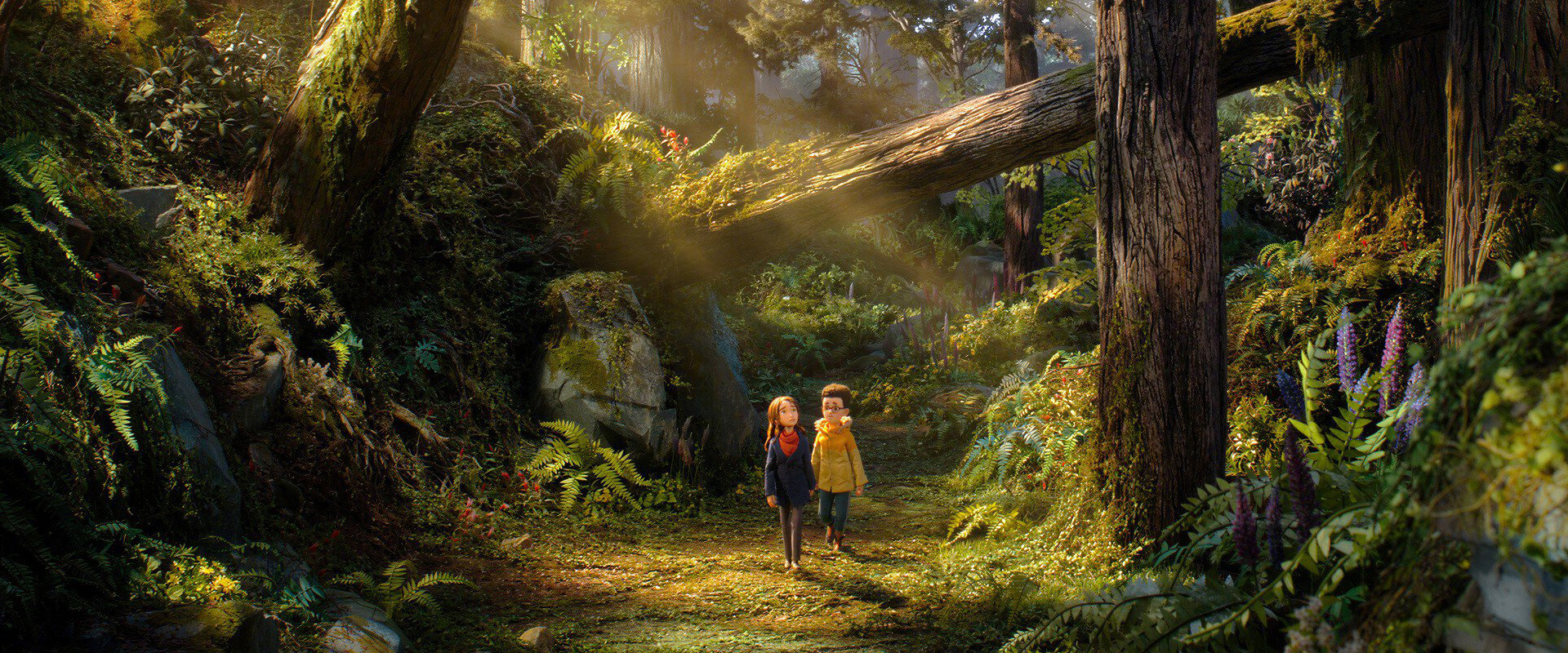
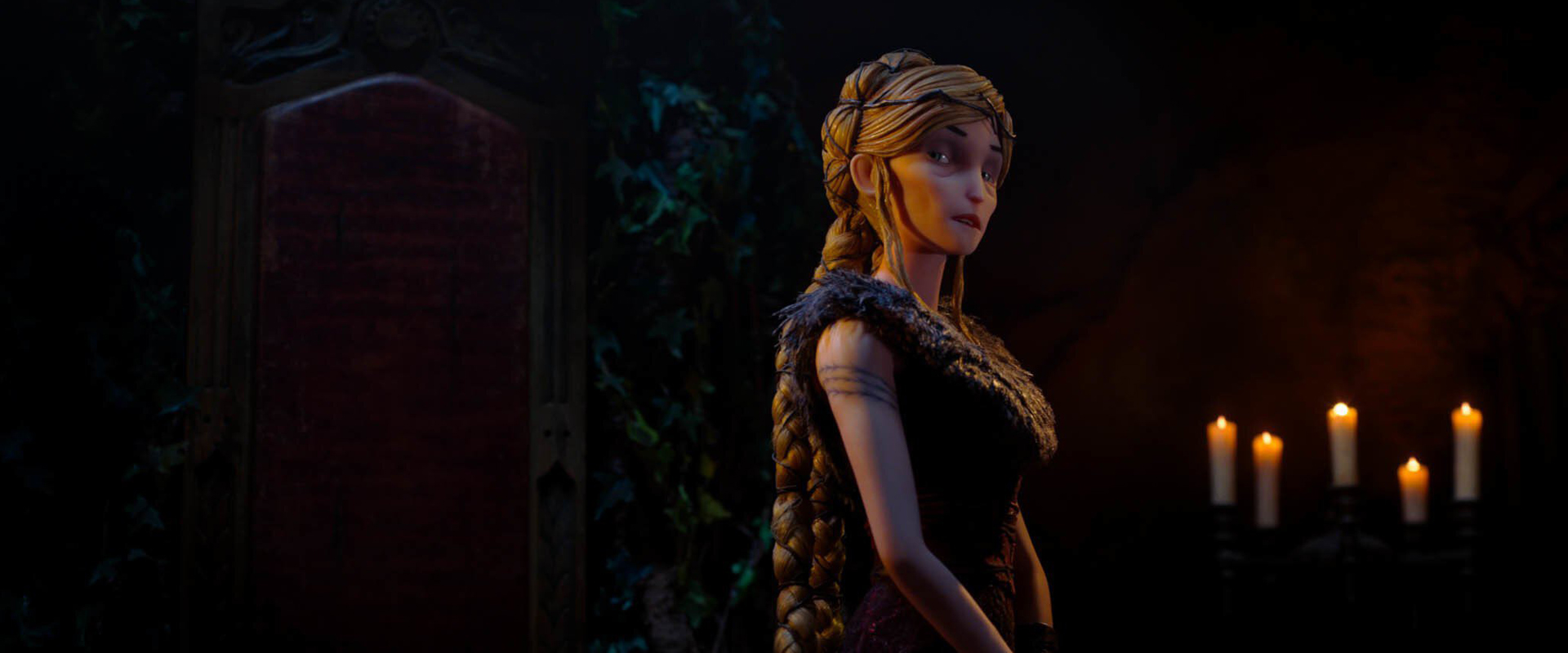
The adventure begins in Portland, Oregon, where young Prue McKeel (voiced by Peyton Elizabeth Lee) finds her big sister duties complicated by a murder of crows kidnapping her infant brother, Mac. Most babysitters get into trouble for letting the kids watch too much television. Losing one to airborne kidnappers is a tougher conversation with Mom and Dad. Accompanied by her awkward but loyal classmate Curtis (Jacob Tremblay), Prue heads into the supposedly impassable wilderness beyond the city, discovering a hidden realm of talking animals, woodland bandits and competing factions. Her rescue mission soon becomes entangled with a much larger struggle, with the mysterious Dowager Governess, Alexandra (Carey Mulligan), holding more than a few unpleasant cards.
Before the forest has even swallowed its young adventurers, the artistry is already doing the heavy lifting. Portland has been recreated with a meticulousness that makes the everyday feel quietly enchanted. Buildings, streets and tiny incidental details give the city a lived-in character, establishing a recognizable place from which the fantasy can grow. Ellis even receives a puppet cameo, a lovely little acknowledgement of the illustrator who helped shape this world on the page, while a sign urging passers-by to enjoy handmade art offers a cheeky invitation to appreciate the craft on display.
Then the wilderness opens up, and LAIKA starts showing off.
With more than 230 practical puppets and well over a hundred sets, the scale is staggering. Yet numbers only explain so much. The real achievement lies in how naturally these crafted objects become characters, and how quickly the eye accepts an elaborate miniature landscape as somewhere that extends beyond the frame. Halfway through, there’s a wonderful little jolt of recognition: hang on, this is stop-motion. Someone physically adjusted these figures, photographed them, then did it again. And again. Suddenly, an already impressive scene becomes mildly ridiculous to contemplate.
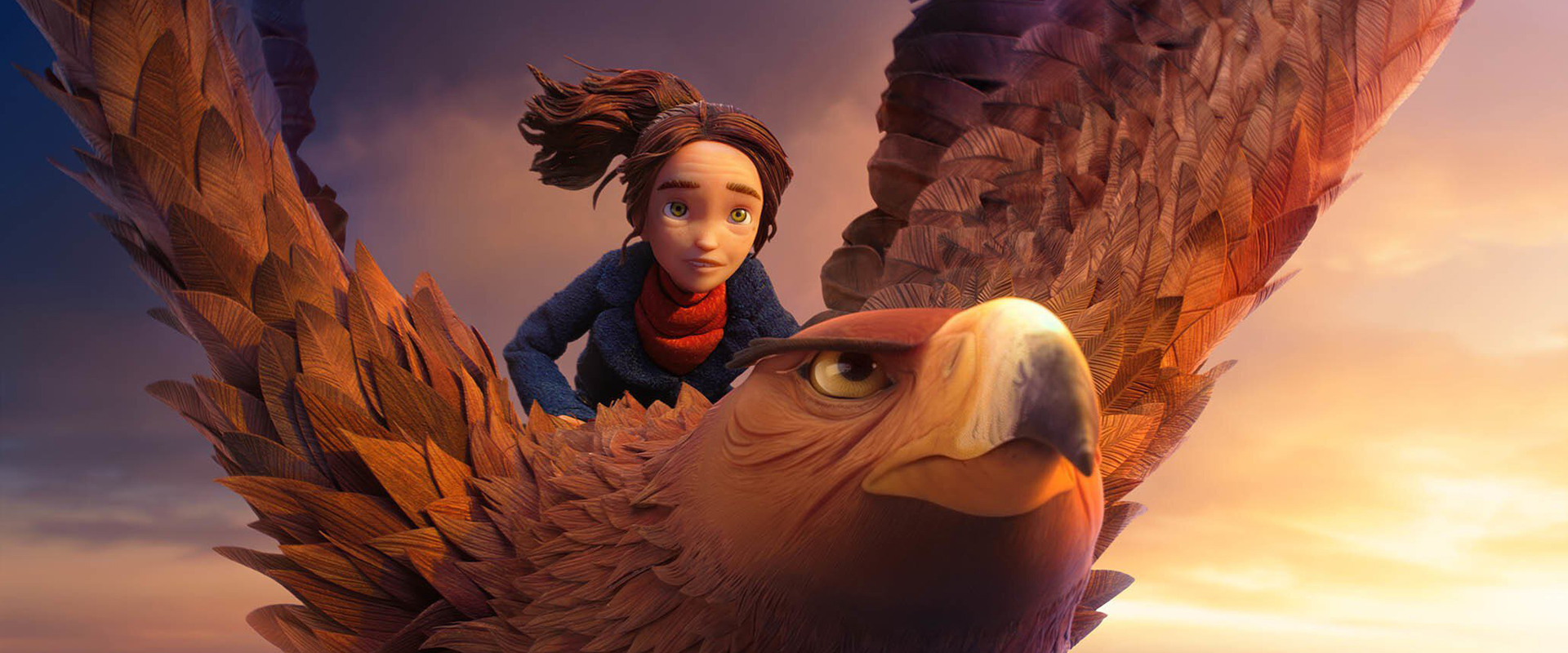
A mid-movie aerial chase, in which Prue rides atop the General, a majestic eagle voiced by Angela Bassett, is a particular jaw-dropper. With crows in pursuit and hostile coyotes below, the flight becomes a breathless scramble for survival, delivering the exhilaration and sense of scale usually associated with a live-action fantasy blockbuster. It’s enough to make you forget you’re watching puppets — then marvel all over again when you remember.
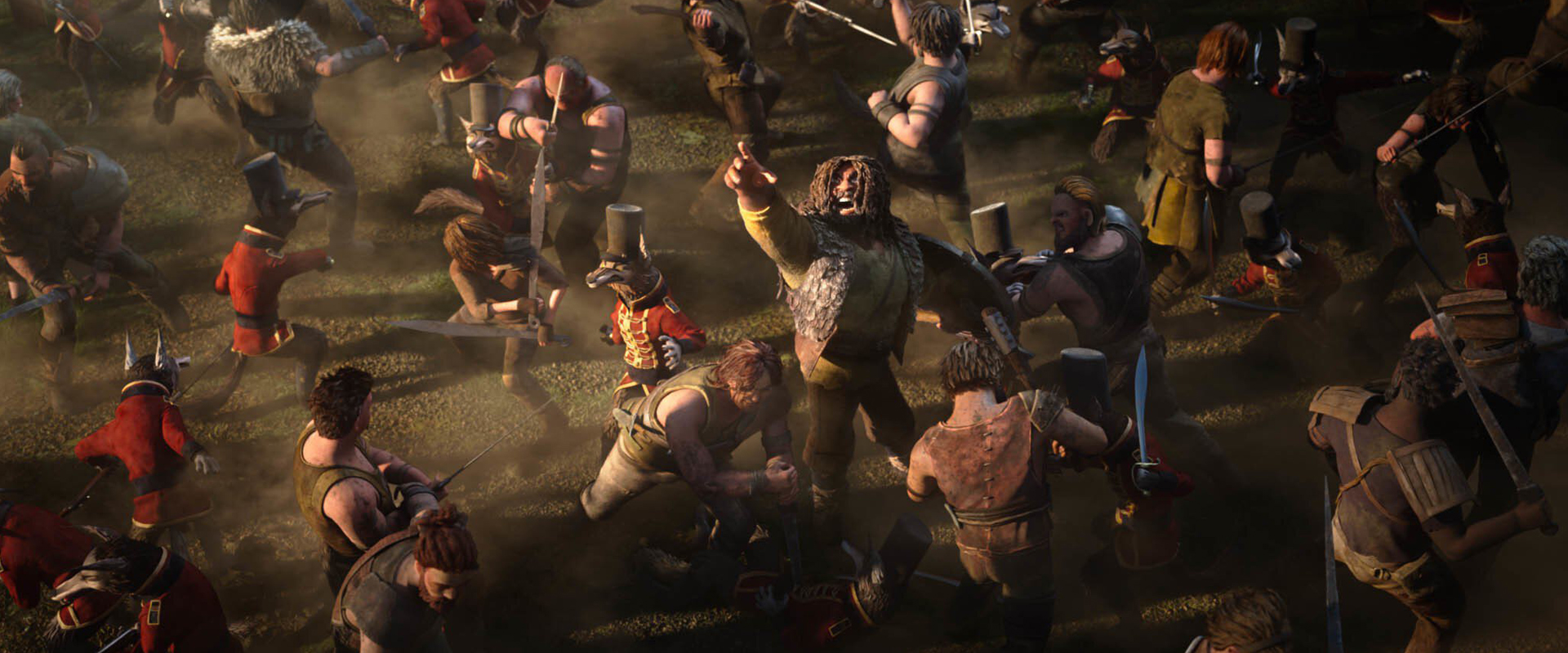
The climactic battle goes bigger still, pitting woodland bandits, the talking animals of North Wood and swooping birds against an army of coyotes, summoning the sweep of The Lord of the Rings through an astonishingly intricate collision of fur, feathers and miniature warfare. Then the magical ivy erupts into a swirling storm of vines, taking the spectacle to another level entirely. It needs to be seen to be believed. Even allowing for the digital effects supporting the practical animation, the coordination involved is enough to make the head spin. Somewhere behind all this mayhem were people worrying about the precise position of a tiny paw.
Crucially, Knight gives the adventure an emotional weight worthy of the effort. Wildwood explores fear, grief, loss and powerlessness with a sophistication that challenges the usual expectations of children’s storytelling. Being young offers no protection from terrible things, while the adults who hold authority aren’t necessarily equipped to handle their own pain. Its enchanted setting allows those anxieties to take physical shape, giving the danger a troubling emotional familiarity.
There are echoes of The NeverEnding Story (1984) and Legend (1985), darker fantasies that understood how wonder and dread can occupy the same patch of woodland. Like those films, Wildwood challenges assumptions about what younger audiences can handle. Its unsettling material gives the journey consequence, although the Australian M classification and American PG-13 rating may limit its appeal to families with smaller children. Some younger viewers will find this a rougher expedition than the talking animals suggest. Those expecting a cozy forest picnic should probably reconsider the itinerary.
Prue provides an excellent center. Resourceful, determined and emotionally accessible, she earns her place among the strongest contemporary young fantasy heroines. Her courage matters because the film allows the world around her to feel overwhelming; she has to act within that uncertainty. Lee gives her the conviction to carry the adventure without sanding away her youth, while Tremblay makes Curtis an equally charming companion. Their friendship offers something intimate to hold onto as the mythology expands and the armies assemble.
Mulligan’s Alexandra is compelling for a different reason. Grief has curdled into a need for control, making her a tragic figure whose suffering remains recognizable even as her choices become monstrous. That connection between loss and power gives the antagonist substance, and it strengthens the film’s wider interest in what people do when they cannot bear their own helplessness.
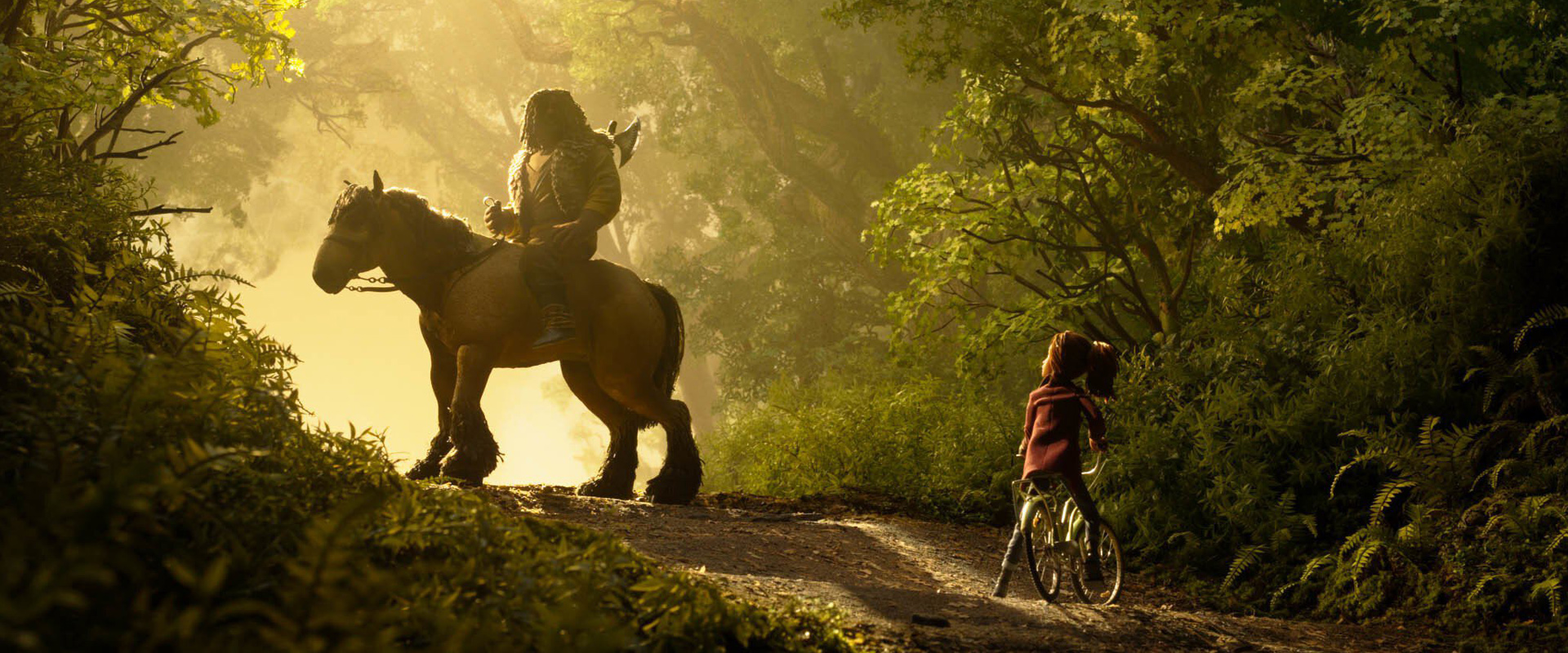
For all that richness, the storytelling occasionally gets tangled in the undergrowth. There’s an enormous amount happening, and some characters are introduced with more promise than the screenplay has time to fulfil. The woodland bandits, led by Brendan (voiced by Mahershala Ali), could use greater definition. Ali lends their leader an appealing presence, but his followers help broaden the world without always emerging as memorable individuals within it. Other supporting characters disappear from attention as the narrative races to service its next development.
It’s an odd frustration for such a long film: certain passages still feel rushed. There’s room to admire the scenery, yet some relationships and transitions need more breathing space. With a novel of more than 500 pages to draw from, the challenge is understandable. There’s also something refreshing about delivering a complete adventure in one sitting, rather than splitting the story and leaving its resolution dependent on another expensive production getting made. Even so, the effort to fit so much in occasionally shows at the seams. A little pruning might have helped the strongest branches flourish.
Musically, the connection to the source material comes full circle. Author Colin Meloy is also the frontman of The Decemberists, and the film features affectionate nods to the band alongside new songs, including the closing “The Better Part of Bravery.” Together with Dario Marianelli’s score, that contribution feels right at home in a world already steeped in folklore, melancholy and strange woodland encounters. There’s something rather lovely about the storyteller helping to sing the audience out of his own forest.
Then there’s the “fuck AI” conversation that has gathered around the film. The admiration for human craftsmanship is easy to understand; the assumption that Wildwood must therefore settle an argument about the imaginative limits of another medium is less convincing. This project began its long journey well before generative AI became commonplace. Painting a canvas can take months; taking a photograph can take seconds. Time and technique shape the work, but neither alone measures its creative possibilities. Wildwood offers an extraordinary showcase of human talent, persistence and judgement. That achievement is substantial enough to celebrate on its own terms.
And celebrate it deserves. The narrative could be more disciplined, and a few supporting players need another turn in the spotlight, but its finest moments have the force of a once-in-a-generation cinematic experience. LAIKA has made a film that invites audiences to get lost in its world, then marvel at how that world was built.
Even the skeptical should venture into these woods. Some things deserve to be experienced on the biggest screen available, and this particular labor of love has more than earned the trip.
4 / 5 – Recommended
Reviewed by Stu Cachia (S-Littner)

