Carrie (2026)
She just wanted a friend. They gave her a fight.
Spoiler warning: This review discusses the entire first season, including the finale, and is best read after watching the series.
Carrie White has been through enough. Between an abusive home life, merciless classmates and a prom night nobody is forgetting, Stephen King’s most unfortunate teenager could probably do without being sent back to school for another adaptation. Yet, for much of Mike Flanagan’s eight-part Carrie, the return feels entirely justified. Thoughtful, handsomely produced and exceptionally well acted, this Prime Video series finds fresh pain in a familiar tragedy. For seven episodes, I was beginning to wonder whether we were watching the best screen version of King’s debut novel. Then came the finale.
The fourth direct screen adaptation, following Brian De Palma’s 1976 classic, the 2002 television film and the 2013 remake, Flanagan’s take has considerably more room to explore the people surrounding its blood-soaked heroine. It also has ambitions beyond her famous night out. A second season has already been confirmed, while the introduction of a wider network of psychically gifted women opens the door to more supernatural storytelling. Flanagan has discussed Carrie’s place within King’s interconnected fictional world, although an actual crossover with his long-gestating The Dark Tower adaptation remains speculation. What concerns me here is how much this season sacrifices to whatever might come next.
Following the sudden death of her father, Ralph White (Tahmoh Penikett), sheltered teenager Carrietta “Carrie” White (Summer H. Howell) is thrust into Thomas Ewen Consolidated High School after years spent under the controlling influence of her fiercely religious mother, Margaret (Samantha Sloyan). Classmate Sue Snell (Siena Agudong) helps Carrie find her feet, starting with the basics of how homeroom works. Carrie’s eagerness to connect with other people makes her painfully vulnerable, particularly when an embarrassing incident becomes ammunition for an online harassment campaign. As friendships form, resentments deepen and the anonymous Carrie Red social media account turns the school into a digital battleground, Carrie discovers that she possesses telekinetic abilities. For a girl who has rarely controlled anything in her life, that is quite a development.
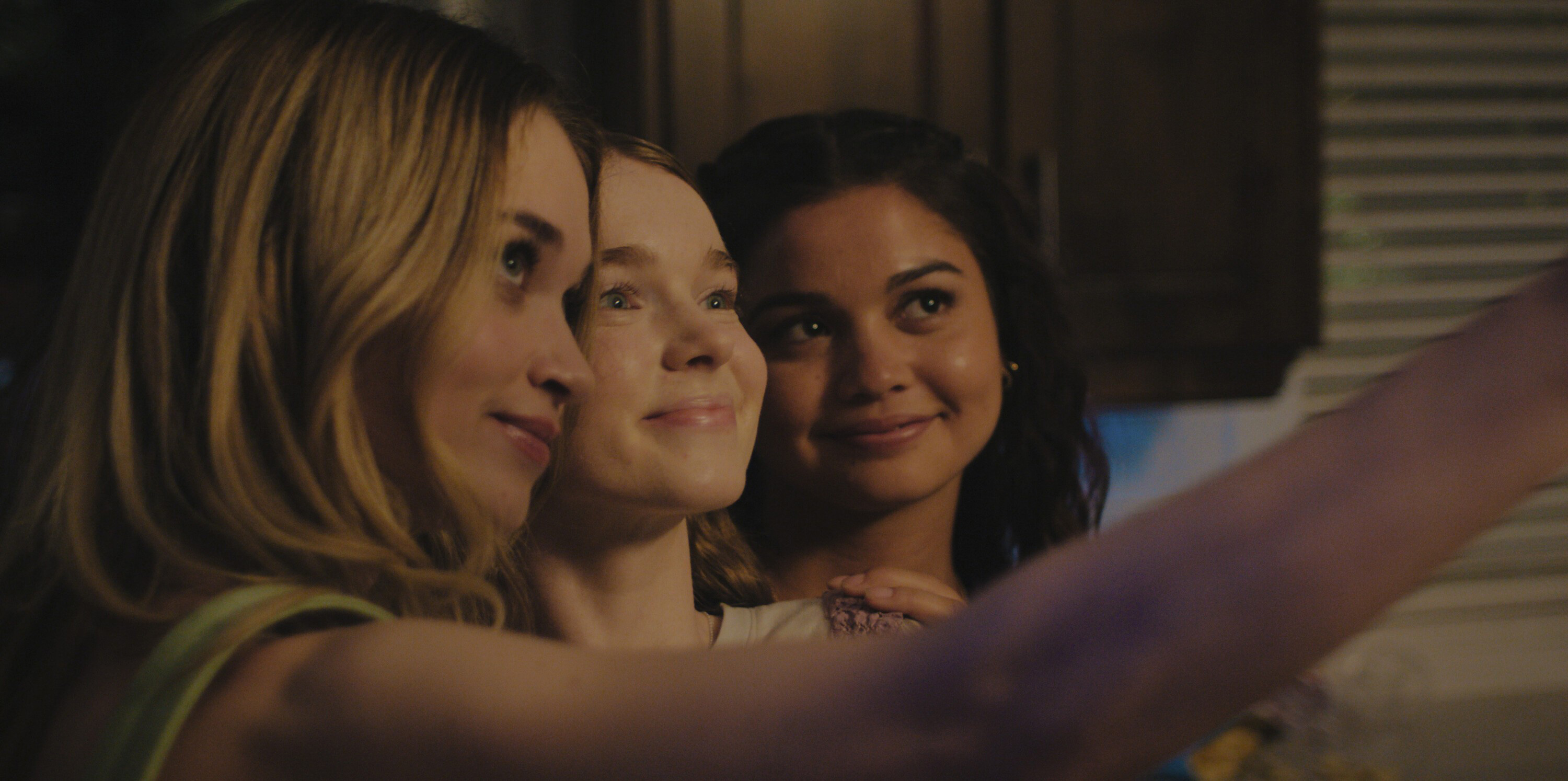
The contemporary setting generally works extremely well. Flanagan and his writing team adapt King’s exploration of adolescent cruelty with a keen understanding of how its reach has expanded in the social-media age. Humiliation no longer ends when the school bell rings; it follows you home, gathers followers and becomes entertainment for people who have never met you. The writers understand the awful imbalance between the person posting something for a laugh and the person forced to live inside its consequences. Their strongest material examines how cruelty spreads through a community, implicating classmates, parents and adults who should know better.
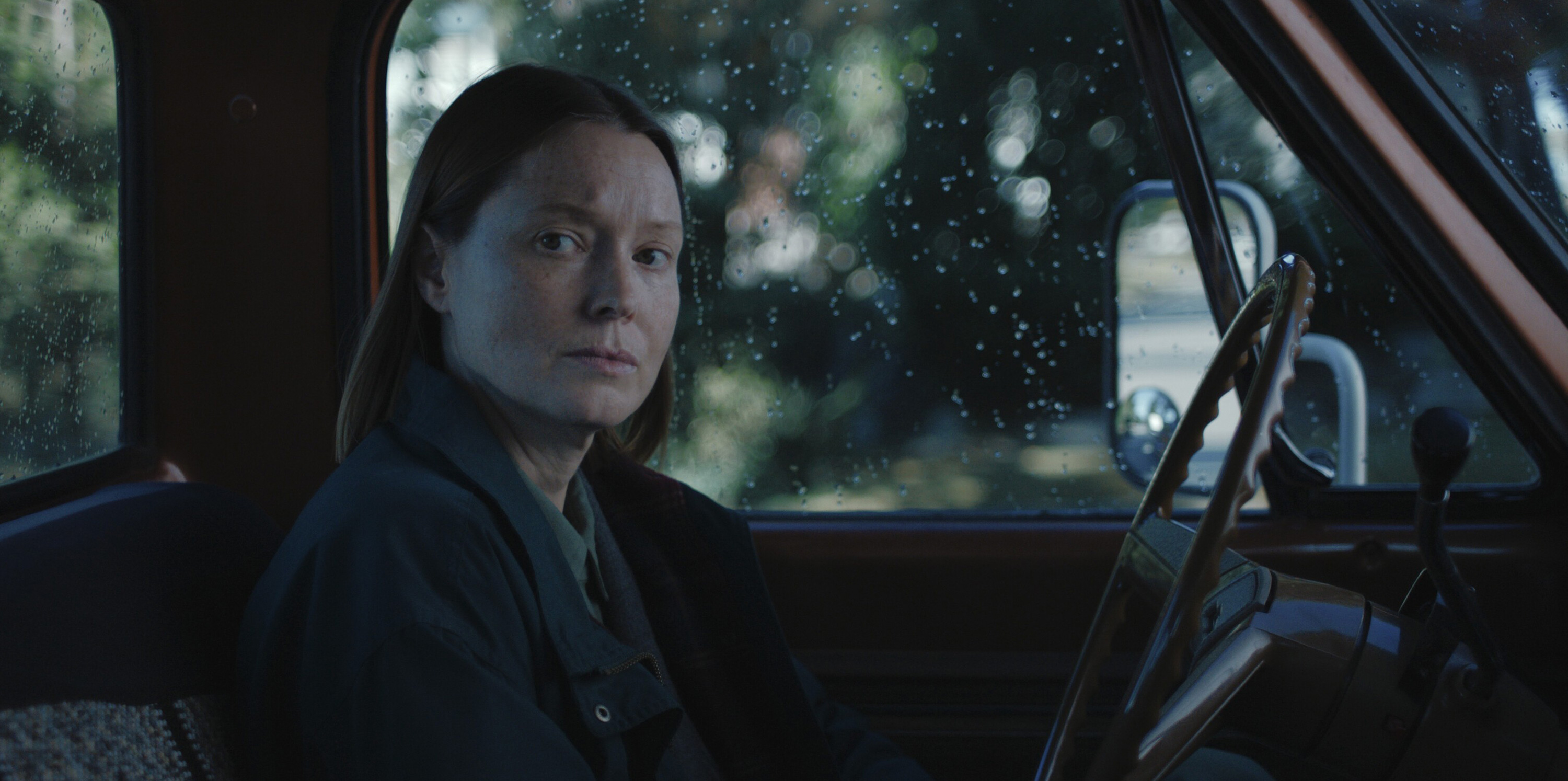
Summer H. Howell is excellent in the lead role, capturing Carrie’s awkwardness without reducing her to a collection of nervous mannerisms. There’s a lovely openness to her performance, making her small moments of happiness feel genuinely precious. Sloyan is equally impressive, finding genuine affection within Margaret’s suffocating behavior. This incarnation allows us to understand the mother’s fear and recognize her love without overlooking the damage she causes. Their relationship gives the series much of its emotional weight.
The supporting cast is strong, too. Amber Midthunder brings warmth and conviction to Miss Desjardin, the teacher trying to offer Carrie some much-needed support, while Matthew Lillard makes Principal Grayle a recognizably human administrator attempting to balance the needs of students, staff and increasingly combative parents. Joel Oulette provides a welcome gentleness as Tommy Ross, Sue Snell’s boyfriend and later Carrie’s prom date, while Thalia Dudek gives the enigmatic Emaline an energy that becomes more troubling as her influence grows. Arthur Conti, meanwhile, makes Billy Nolan precisely the sort of companion a struggling teenager could do without: someone who encourages every destructive impulse and mistakes making things worse for having a good time. There’s also a welcome appearance from Ally McBeal alumnus Gil Bellows, who’s always a pleasure to see on screen.
Alison Thornton’s Chris Hargensen is particularly compelling. Yes, she is a bully, and frequently a vicious one. However, the series also shows a young woman watching her family unravel, her financial security disappear and her future become uncertain. Her parents’ separation and her father’s financial troubles leave her feeling abandoned and powerless. The Carrie Red account offers something she cannot find elsewhere: control. The more attention it attracts, the more she feels she matters.
None of that excuses her treatment of Carrie. It does, however, make her more interesting than a conveniently disposable villain. Thornton allows the hurt beneath Chris’s hostility to register, and the writing repeatedly suggests that somebody reaching her at the right moment might alter her course. Margaret’s antagonism and Chris’s father’s example certainly do little to help. Heather Graham is affecting as Chris’s mother, Madison, particularly when she tries to reach her daughter following her expulsion, offering to help her work towards putting things right. Her mixture of love, disappointment and helplessness really struck a chord with me. There are times when Chris seems desperately in need of a decent friend — and increasingly unable to accept the help that might make a difference. Yet she never seems beyond reach, which makes her eventual fate all the more troubling.
Against that backdrop, Sue Snell’s treatment of her becomes increasingly uncomfortable. Siena Agudong handles the role well, but Sue becomes less sympathetic as the season progresses, particularly when she weaponises an intimate moment she shared with Chris. It’s a calculated betrayal, made all the more painful because Sue has been Chris’ best friend since childhood and knows exactly how to hurt her. Sue has legitimate worries of her own, including a possible pregnancy, and she is under no obligation to tolerate Chris’s bullying. Even so, the friendship’s collapse sometimes leaves her seeming more absorbed in her own concerns than attentive to someone visibly falling apart. That can be an interesting complication; the series does not always seem aware of how much it changes our response to her.
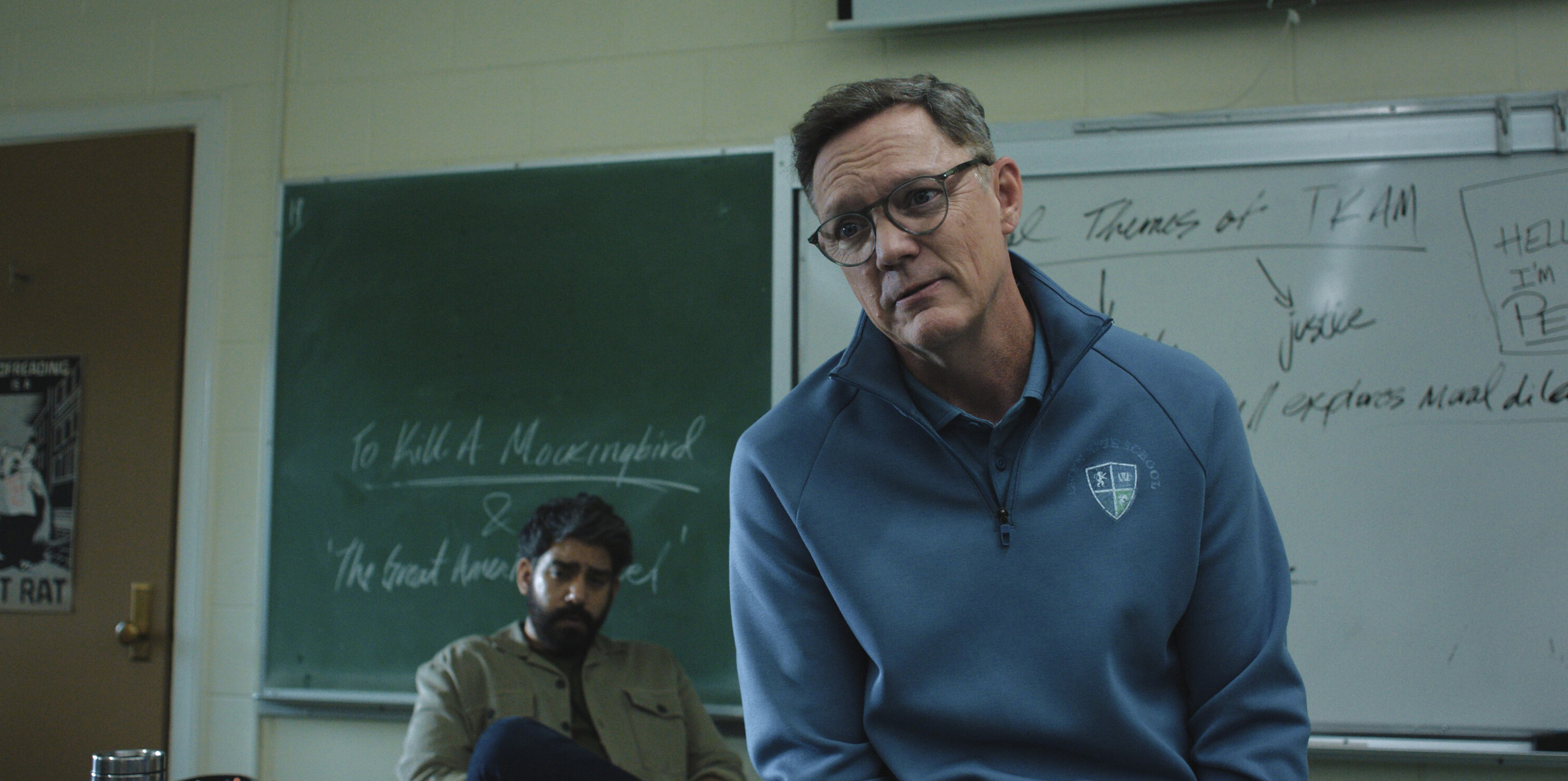
Margaret’s transformation into a social-media personality is another mixed success. There’s a sharp idea in watching a woman who fears the outside world become seduced by its approval, adopting the methods of the people she condemns. The motivation is there: she believes she is using the enemy’s tools against them. I was less convinced by the transition itself. Loudly declaring in a school hallway that Chris is behind the Carrie Red account feels entirely in character for Margaret. Given the Whites’ isolation and Margaret’s limited familiarity with social media, her transformation into an assured online crusader could have used more groundwork.
An additional storyline involving teacher Seth Peist (Rahul Kohli) and his sexual involvement with a student is less effective. This is an addition to the novel, exposed through the Carrie Red account, and it broadens the school’s atmosphere of secrecy and misconduct. Yet such serious material needs more consideration than it receives here. The subplot feels awkwardly absorbed into the wider scandal, adding another disturbing development without offering enough meaningful examination of the abuse or its impact on the student.
Still, the production rarely falters technically. The show looks polished, its environments feel convincing, and its supernatural flourishes sit comfortably alongside the everyday unpleasantness. It has the visual assurance and dramatic ambition we have come to expect from a Flanagan production. For most of its running time, the extra space feels valuable. Unfortunately, episode eight exposes the tension between retelling Carrie and launching an ongoing supernatural saga.
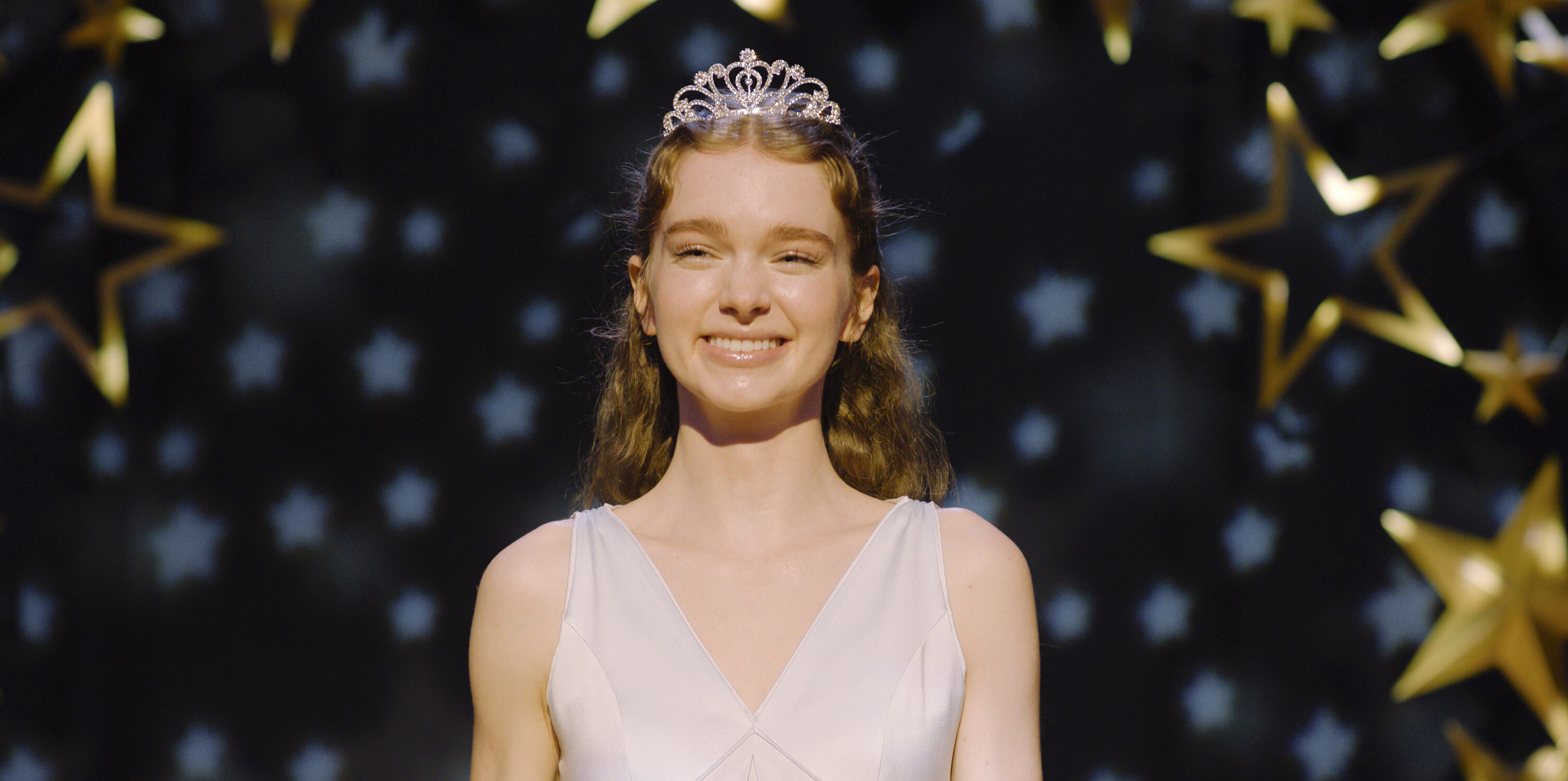
Even the prom’s mechanics feel oddly disconnected from the contemporary world established beforehand. The pig’s blood is, of course, part of King’s story, but here the scheme feels less organically developed than the digital cruelty surrounding it. The exploding phones briefly suggest a finale shaped by this adaptation’s particular concerns. More inventive use of that technology might have made the destruction feel like the culmination of this version, rather than a return to familiar imagery. Meanwhile, additional supernatural players converge on the dance with too little explanation, pulling attention from the characters whose relationships have sustained the series.
More damaging is the redistribution of responsibility. Emaline, Carrie’s mysterious friend who is revealed to communicate with her through astral projection, takes control during much of the massacre, complicating who is doing what and why. There is an idea worth exploring in the suggestion that tragedies have multiple authors, but the intervention also distances Carrie from the defining catastrophe of her own story. The intimate horror of a tormented girl unleashing her rage becomes entangled with the mechanics of a larger psychic world.
Crucially, that does not absolve Carrie of killing Chris. Flanagan has explicitly confirmed that Carrie is in control at that moment. Billy is willing to run Carrie down, but Chris’s attempt to divert his car makes an important distinction: she is not yet prepared to cross that line. Her subsequent effort to apologise makes the killing especially difficult to reconcile with the compassionate character work preceding it. After spending hours showing how hard it is for Chris to admit wrongdoing, the series gives us a flicker of remorse and then crushes her. Thornton herself has described that remorse as genuine.
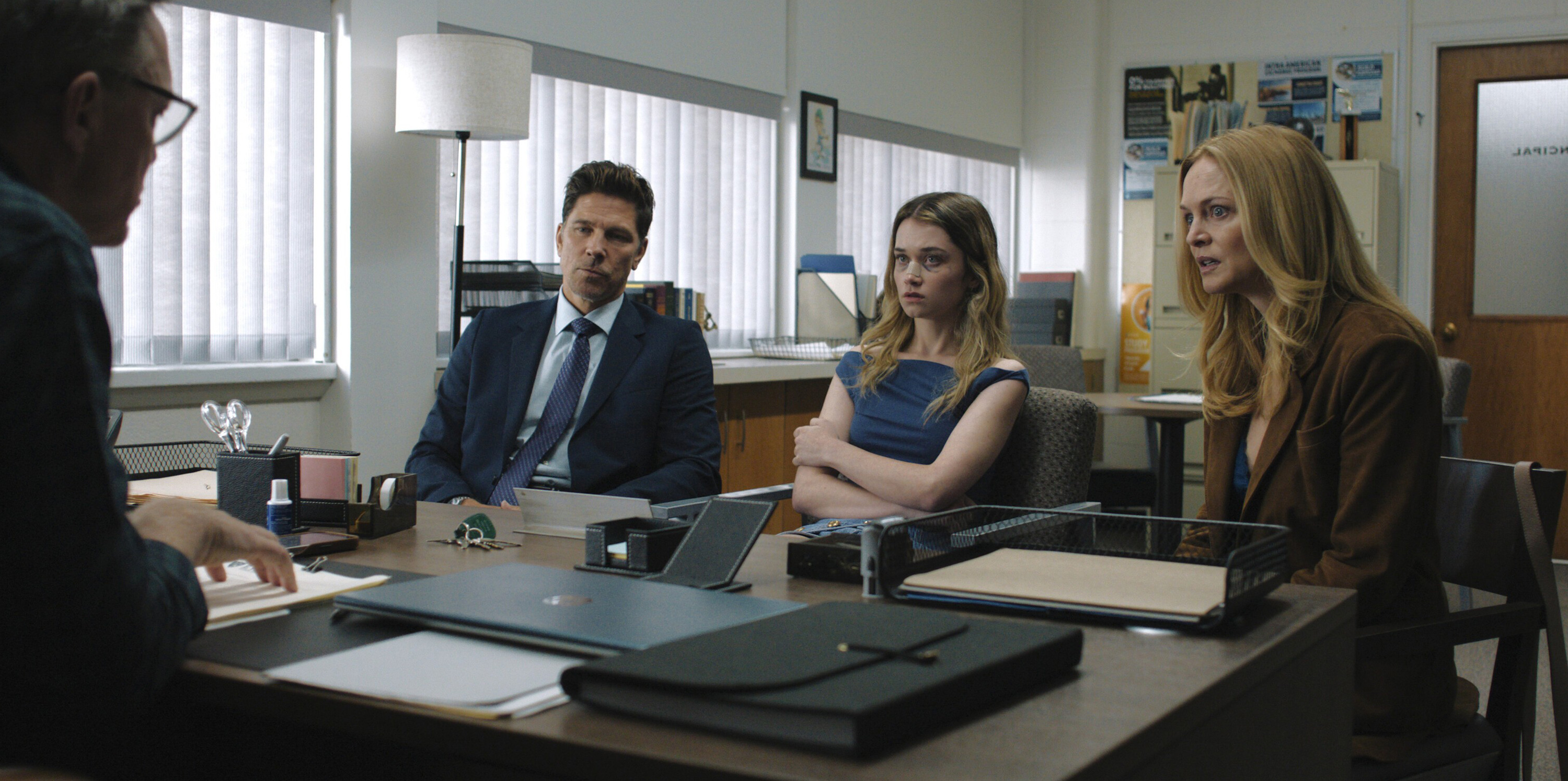
Carrie breaking Chris’s nose earlier carries the cathartic charge of someone finally pushing back. Killing her is a different proposition entirely. Chris has participated in a grotesque act of public humiliation, but the series has also worked hard to establish that she remains a damaged person capable of change. Her final attempt at an apology cannot erase her behavior. It does make her death feel less like satisfying revenge and more like another preventable tragedy. I needed the ending to sit with that distinction.
The innocent victims matter just as much. Principal Grayle is among those killed despite his efforts to navigate an impossible situation, and the prom is full of people who have done nothing to deserve what happens. Yet the sight of Carrie dancing in the street as destruction spreads creates a troubling sense of release without enough immediate reckoning. There are flashes of distress, and Emaline’s influence complicates that apparent freedom, but the episode’s competing moods leave its moral position frustratingly blurred.
Margaret’s death compounds the problem. Instead of Carrie stopping her mother’s heart, as she does in the novel, that act is handed to Adelaide (Kate Siegel), a member of the newly expanded psychic world. Transferring the confrontation’s final act to someone else weakens the culmination of the relationship at the center of the story. It feels more useful for establishing the newcomers’ power than completing Carrie and Margaret’s devastating history.
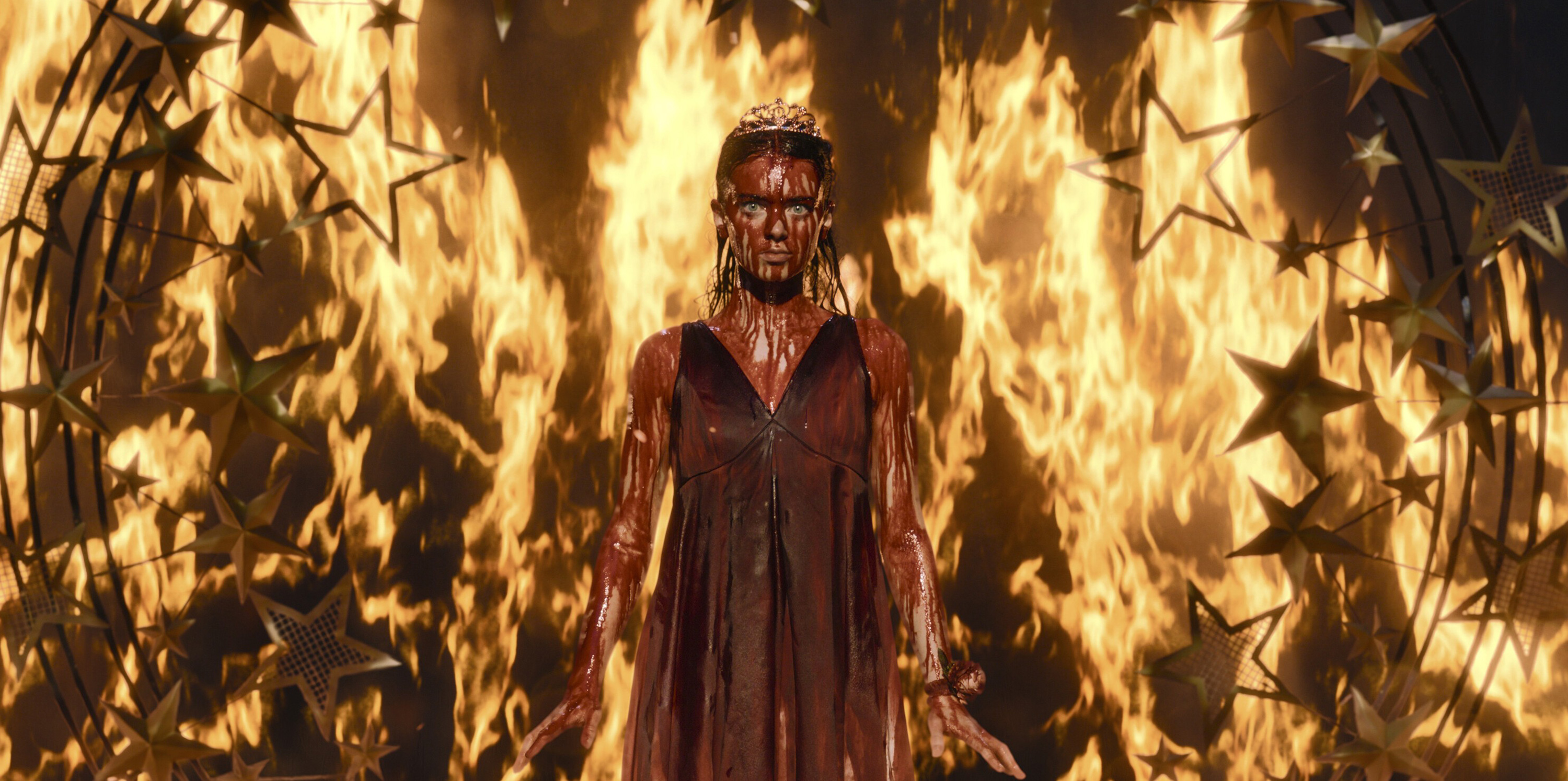
King’s ending makes escape from the consequences of violence impossible. Carrie’s death completes a tragedy in which revenge consumes far more than its intended targets. Keeping her alive could support an equally challenging exploration of guilt, but this season largely postpones that work. A future instalment may confront what she has done. The season in front of us still needs an emotionally satisfying ending of its own.
By the close, my sympathy for Carrie had been badly strained. I would struggle to welcome her return unless it involved a serious reckoning with prom night. Being hurt explains her anger; it cannot make everyone else’s life expendable.
For all that, Carrie remains a good series, and often a very good one. The performances are terrific, the modernization frequently insightful, and its best passages find painful humanity in characters earlier adaptations had less time to explore. This should have been a home run. I was heading towards four stars before a muddled finale brought it down to three and a half. Flanagan gives Carrie a future, but I’m still waiting for an ending that does her story justice. And while we’re asking for justice, how about some for Chris Hargensen and everyone else who died for nothing on prom night?
3.5 / 5 – Great
Reviewed by Stu Cachia (S-Littner)
Carrie is distributed by Amazon MGM Studios

