Love of Your Life (2026)
In an industry increasingly dominated by sequels, remakes and established franchises, an original romantic drama generating a Hollywood bidding war is something of a rarity. Yet that was precisely the case with Love of Your Life, written by Julia Cox, Nyad (2023) and eventually snapped up by Amazon MGM Studios. Taking the director’s chair is Oscar-nominated cinematographer Rachel Morrison, who, following her impressive feature debut with The Fire Inside (2024), trades the boxing ring for the equally bruising complexities of the human heart. The result is a beautifully observed and emotionally resonant drama that explores the joys of falling in love, the devastating consequences of losing it and the difficult process of discovering that life can still offer happiness when everything once taken for granted has disappeared.
The story follows Maya (Margaret Qualley), a hardworking emergency room nurse living in Boston whose demanding profession leaves precious little time for romance. That changes when she meets Charlie (Gabriel Basso), a charming, slightly odd young man selling a piece of furniture. Their unlikely encounter quickly develops into a passionate relationship, with Charlie’s warmth and infectious optimism gradually breaking down Maya’s emotional defenses. Before long, the pair are married and looking forward to building a life together. However, their happiness is threatened by the arrival of the COVID-19 pandemic, which places enormous pressure on Maya’s professional and personal lives. When tragedy unexpectedly strikes, the future they had imagined together is shattered. Struggling to cope with her grief, Maya leaves behind the familiarity of Boston and embarks on a journey of self-discovery, traveling abroad in an attempt to find some sense of purpose in a world that suddenly feels very different.
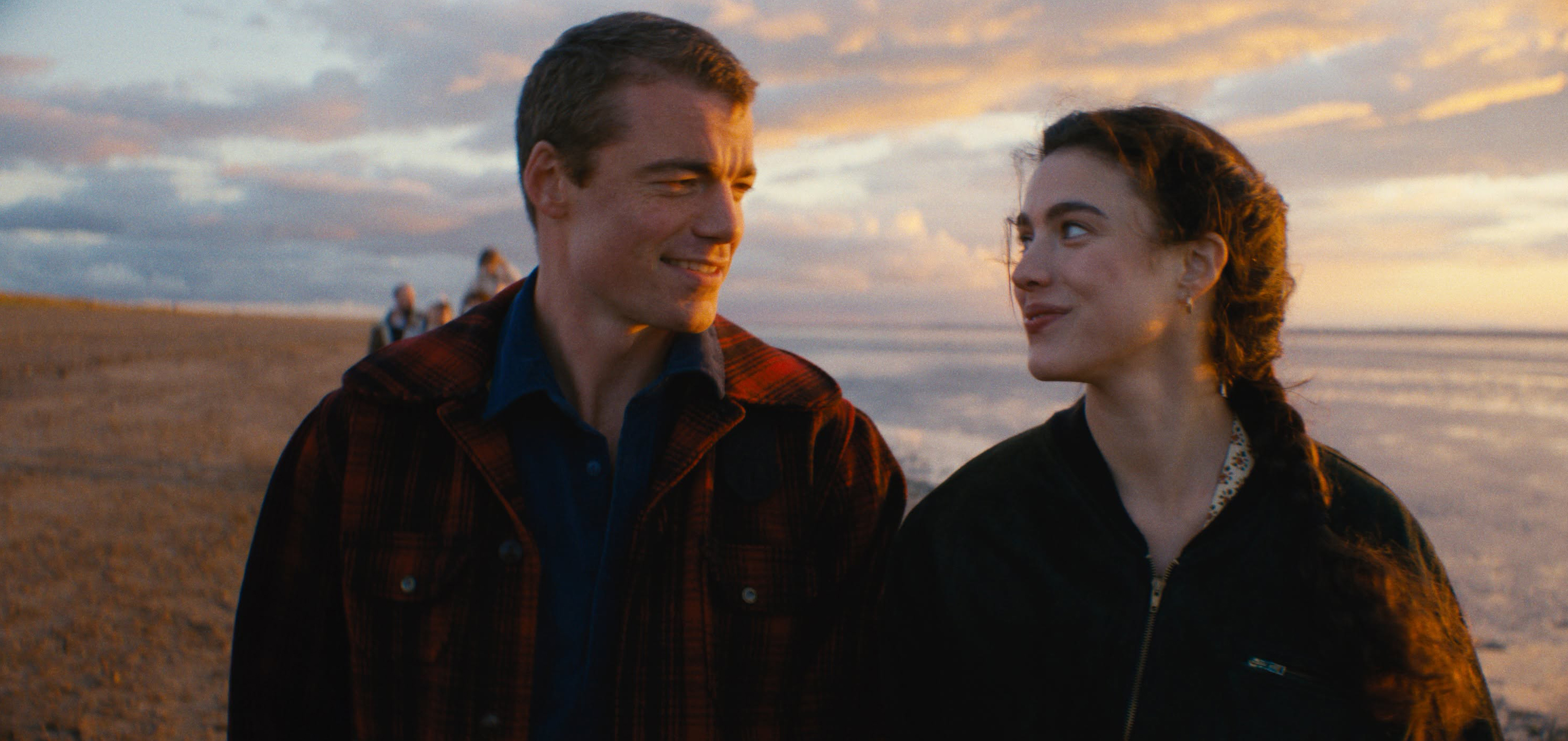
Although the premise might suggest a conventional romantic tearjerker, Love of Your Life is a far more thoughtful and emotionally substantial picture than its somewhat sentimental title might imply. Cox’s screenplay is well constructed, finding an effective balance between the intoxicating excitement of falling in love and the painful consequences of having that happiness ripped away. The early sequences establish Maya and Charlie’s relationship with considerable warmth, allowing their connection to develop naturally rather than simply presenting them as an impossibly perfect couple destined for tragedy. This foundation is crucial, giving the subsequent developments genuine emotional weight and ensuring the audience understands precisely what Maya has lost.
Morrison’s direction is similarly assured, particularly in the way she handles the film’s dramatic transition from the tenderness and excitement of Maya and Charlie’s blossoming romance to the considerably bleaker circumstances that follow. Rather than relying upon exaggerated melodrama or continually emphasizing the tragedy, she concentrates on its emotional aftermath, allowing Maya’s increasingly erratic behavior and difficulty maintaining meaningful relationships to convey the extent of her grief. The narrative unfolds across almost a decade, with a significant jump forward revealing a very different Maya from the young woman introduced during the opening portion. It’s an effective storytelling approach, illustrating how the consequences of loss can linger for years, even when someone appears to have moved on with their life. The transitions between different periods and locations could leave some viewers feeling that certain developments are somewhat rushed, but Morrison maintains a firm understanding of the character’s emotional journey. Importantly, she never seeks to excuse Maya’s questionable decisions or condemn her for them, instead presenting a complicated and deeply flawed individual whose struggles are all the more convincing because of her imperfections.

Beneath its romantic exterior, Love of Your Life offers a powerful examination of grief, personal identity and the difficulty of rebuilding a life when the future once imagined is no longer possible. Maya’s experiences are not presented as a straightforward journey from heartbreak to recovery. Instead, her attempts to move forward are complicated by guilt, emotional isolation and an understandable reluctance to form new attachments. There’s an important distinction between continuing to love someone who has been lost and allowing that loss to determine every aspect of one’s existence. The screenplay understands this particularly well, exploring how grief can become so closely intertwined with identity that the possibility of happiness begins to feel like an act of betrayal.
Equally compelling is its exploration of the different forms love can take. Romantic relationships are naturally central to the narrative, but friendship, family, companionship and self-acceptance are afforded considerable importance. Maya’s journey raises some uncomfortable questions about whether finding another partner necessarily constitutes moving on, and whether an individual can truly appreciate a new relationship while remaining emotionally imprisoned by an earlier one. Notably, the story never suggests that one great love must simply be replaced by another. Rather, it recognizes that meaningful relationships leave permanent impressions, even when circumstances prevent them from lasting forever. These themes are beautifully realized, carrying a sincerity and emotional power that makes several sequences genuinely affecting. The movie also finds considerable poignancy in its depiction of the pandemic, chiefly the extraordinary emotional demands placed upon healthcare workers and the devastating consequences experienced by countless families.
Of course, none of this would work nearly as well without Margaret Qualley, who delivers an outstanding performance and is unquestionably the film’s greatest asset. Having already impressed with roles in Maid (2021) and The Substance (2024), Qualley continues to demonstrate why she’s become one of the most exciting performers of her generation. Her portrayal of Maya is wonderfully natural, capturing the character’s compassion, intelligence, vulnerability and occasional emotional recklessness without ever making her feel like a collection of dramatic clichés. Particularly impressive is the way Qualley communicates feelings that Maya herself struggles to articulate. A subtle change in expression, a moment of uncomfortable silence or an otherwise ordinary conversation can reveal more about her emotional state than several pages of dialogue. She’s equally convincing during the happier moments, making Maya’s newfound joy feel genuine and everything she stands to lose all the more heartbreaking. It’s an exceptionally accomplished performance, and one that provides the emotional credibility necessary to make the more difficult moments genuinely affecting.
The supporting cast is equally impressive, beginning with Gabriel Basso as Charlie, whose warmth, easygoing personality and gentle humor make him an immediately appealing romantic lead. Basso brings a wonderfully unassuming quality to the character, avoiding the exaggerated perfection that sometimes afflicts romantic leading men. His chemistry with Qualley is also very convincing, with the pair sharing a relaxed, affectionate rapport that makes their relationship feel genuinely lived-in. Their playful exchanges and quieter moments of intimacy establish a believable connection, allowing the audience to become invested in their happiness. Together, the two performers sell the romance so effectively that its emotional consequences resonate throughout the remainder of the story.

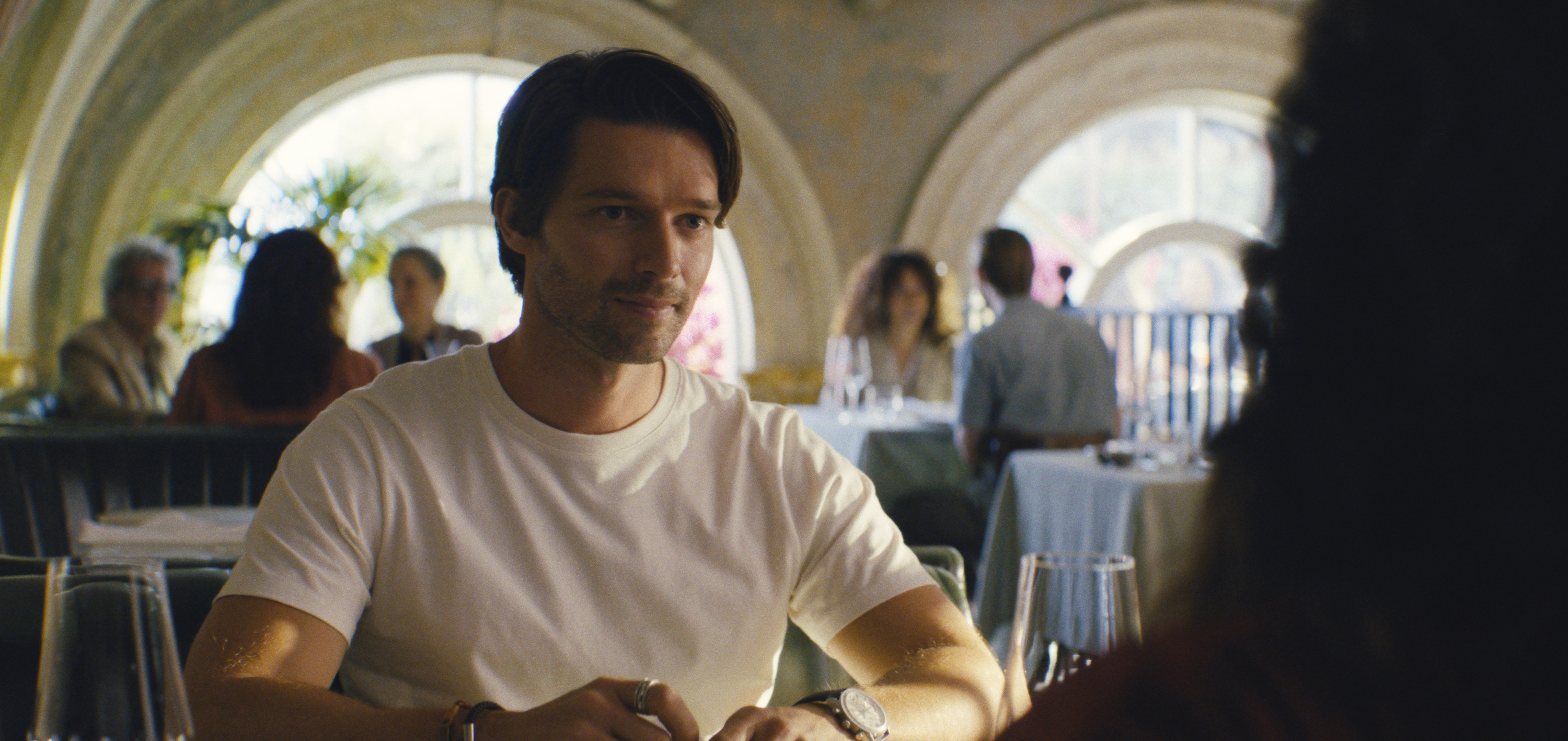
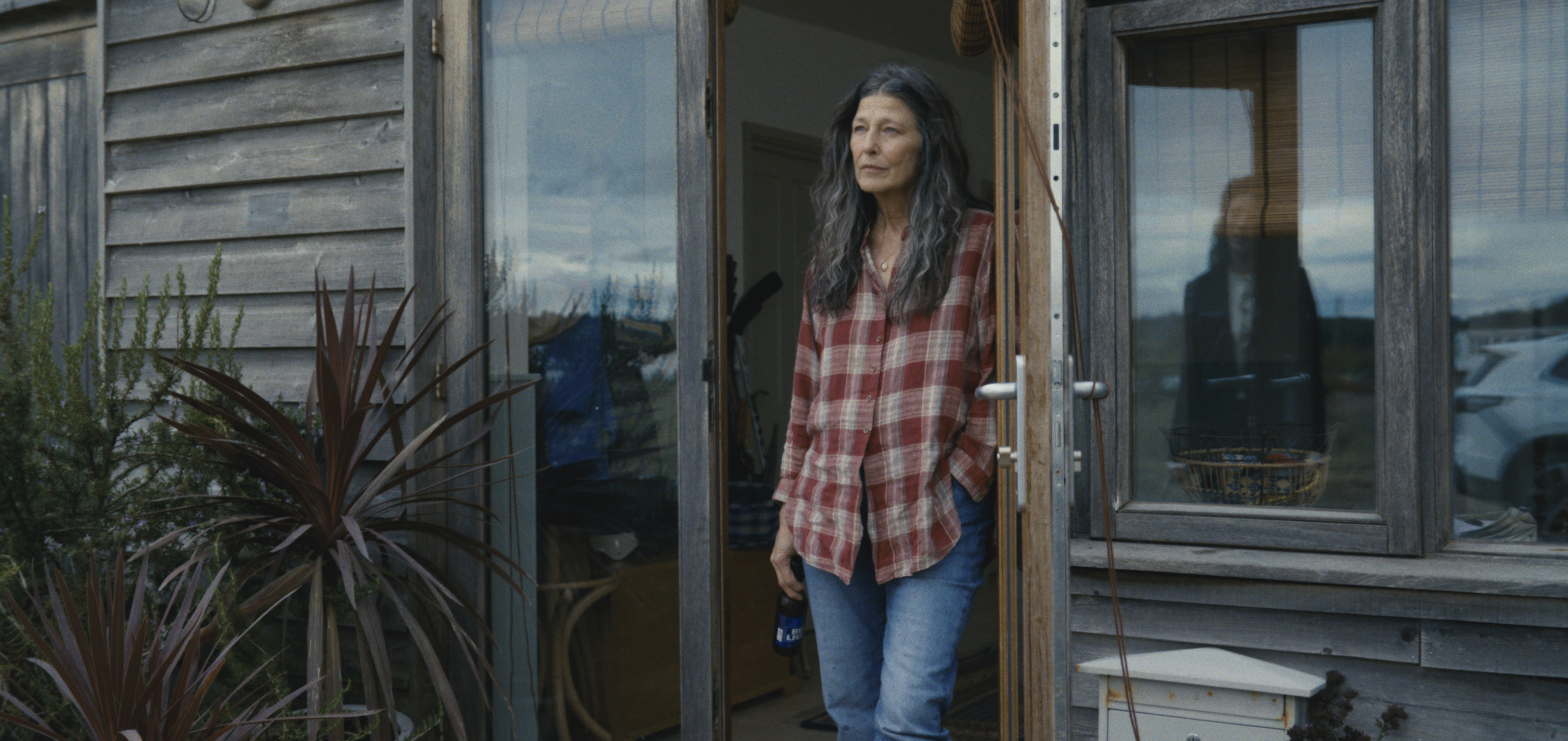
Aaron Pierre also shines as Felix, the charming British single father Maya encounters during her travels, bringing considerable charisma and sensitivity to a character whose patience and genuine affection contrast with her emotional uncertainty. His chemistry with Qualley introduces another convincing romantic dynamic, while his warmth and emotional intelligence ensure Felix feels like far more than simply another potential partner. Patrick Schwarzenegger is also excellent as Jason, Maya’s longtime friend from college, whose loyalty is tested by her erratic behavior. Balancing an enjoyable sense of humor with genuine concern, Schwarzenegger effectively conveys the frustration of watching someone he cares about push others away, illustrating how grief can place considerable strain upon even the strongest friendships. Meanwhile, Catherine Keener is wonderful as Ruth, Charlie’s mother, bringing emotional depth to a relatively small but significant role. Her understated performance beautifully conveys the complicated mixture of sorrow, resentment and affection that defines Ruth’s relationship with Maya, providing another perspective on the central tragedy. Despite her limited screen time, Keener makes every appearance count, delivering some of the picture’s most touching moments.
On a visual level, Love of Your Life is a handsome production, with cinematographer Todd Banhazl making particularly effective use of the various international locations. From the familiar urban surroundings of Boston to the picturesque streets of Lisbon and Portugal’s striking coastline, the photography possesses a rich, cinematic quality, while London and New Orleans lend their own distinctive atmosphere to Maya’s journey. Morrison’s background as an accomplished cinematographer is evident in the careful composition of the imagery, with the changing environments frequently reflecting Maya’s emotional state. The contrast between Portugal’s glorious sunshine and Maya’s inability to appreciate the beauty surrounding her is especially striking, with the subtle use of light and shadow reinforcing her isolation. Unfortunately, emotional baggage is one thing the airlines apparently cannot lose.
Ultimately, Love of Your Life is a touching, beautifully performed and emotionally rewarding romantic drama that offers considerably more than its familiar premise might suggest. Julia Cox’s thoughtful screenplay, Rachel Morrison’s assured direction, gorgeous cinematography and excellent supporting cast provide a strong foundation, but it is Margaret Qualley’s layered central performance that gives the picture its heart. Its exploration of love, grief, forgiveness and the courage required to embrace an uncertain future is sincere and frequently powerful, illustrating that even the most devastating loss need not extinguish the possibility of finding happiness again. Although certain elements venture into familiar territory, the storytelling remains consistently engaging, delivering moments of genuine warmth, considerable heartbreak and everything in between. Above all, it’s a compassionate reminder that love can endure in many different forms, even when life takes an unexpected turn. For a story about losing the love of your life, this one is remarkably easy to fall in love with.
4 / 5 – Recommended
Reviewed by Dan Cachia (Mr. Movie)
Love of Your Life is distributed by Amazon MGM Studios

