Clayface (2026)
Look Fear in the Face.
Hollywood has spent a fair bit of time trying to convince us that every comic-book villain deserves their own movie. After sitting through some of Sony’s efforts, I’m still not entirely sold. Too often, these origin stories seem embarrassed by the very thing that makes their central characters interesting, sanding away their nastier qualities until another misunderstood antihero emerges. So, when DC announced a solo outing for Clayface, I wasn’t exactly first in line with a bucket and spade. A Batman adversary whose comic-book history stretches back to 1940 certainly has potential, but could he carry a feature? Thankfully, this R-rated DCU entry remembers to let its villain become a villain, blending psychological thriller and visceral body horror into something with a little more bite than its muddy premise might suggest.
The story follows Matt Hagen (Tom Rhys Harries), an actor whose rise from Gotham’s streets to Hollywood success comes to a devastating halt when a crime boss leaves him horribly disfigured. With his career collapsing and the people around him disappearing, Matt seeks help from Dr Caitlyn Corr (Naomi Ackie), a scientist whose experimental treatment promises to restore his appearance. Initially, the procedure seems to deliver precisely what he needs. The trouble begins when his recovery develops some alarming side effects, leaving his flesh increasingly unstable and allowing him to reshape himself into other people. As his newfound abilities open the door to revenge, holding himself together becomes a problem in more ways than one.
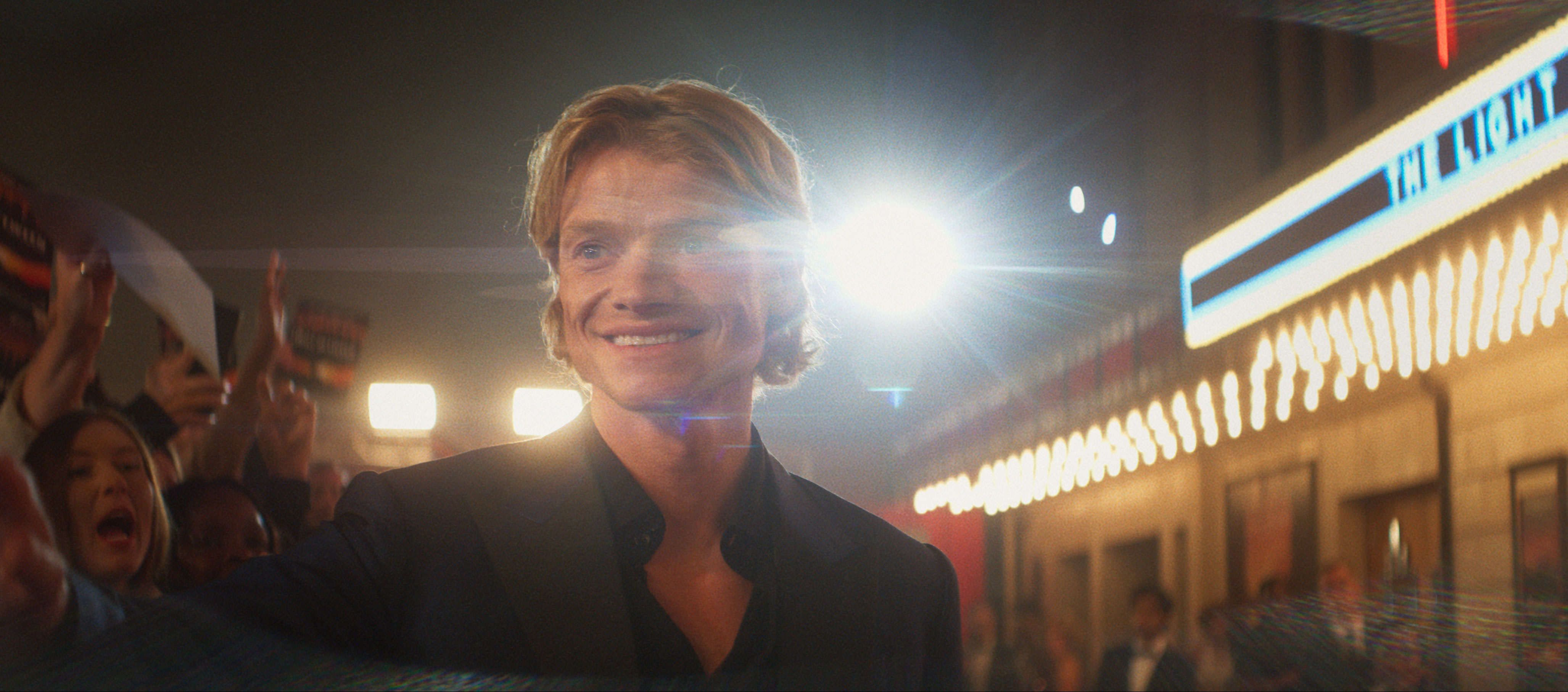
If anything almost sold me on this project before I’d seen a frame, it was Mike Flanagan’s involvement. The filmmaker behind Doctor Sleep (2019) and The Haunting of Hill House (2018) usually knows how to make horror hurt emotionally as well as physically. He receives the story credit here and shares screenplay duties with Hossein Amini, while James Watkins takes the director’s chair. That combination gives Clayface a promising foundation: a man whose livelihood depends on his face discovers that getting it back might cost him everything beneath it.
The narrative moves briskly, establishing Matt’s circumstances and pushing him towards increasingly desperate decisions without getting bogged down in an overextended origin story. Yet there’s also a slow burn to his deterioration. Events arrive quickly, while the dread comes from waiting to see how much further his body and judgement will slip. These contrasting rhythms largely work well together, although Matt’s powers sometimes seem to do whatever the story needs at that moment. Occasionally, the rules feel as malleable as the man himself.
There’s plenty to enjoy in the way the film plays with impersonation. Having an actor discover that he can physically become somebody else is a neat extension of his profession, and watching Matt exploit that possibility gives the proceedings a welcome streak of mischief. Still, a few transformations invite questions about how easily he can reproduce another person’s voice and mannerisms. Yes, acting is his job, but even a talented performer could presumably use a rehearsal. An action sequence set in a nightclub is a particular highlight, putting his shapeshifting abilities to inventive use as he takes on his enemies, with some darkly humorous touches along the way. It’s the sort of scene that makes this character feel worth building a movie around.
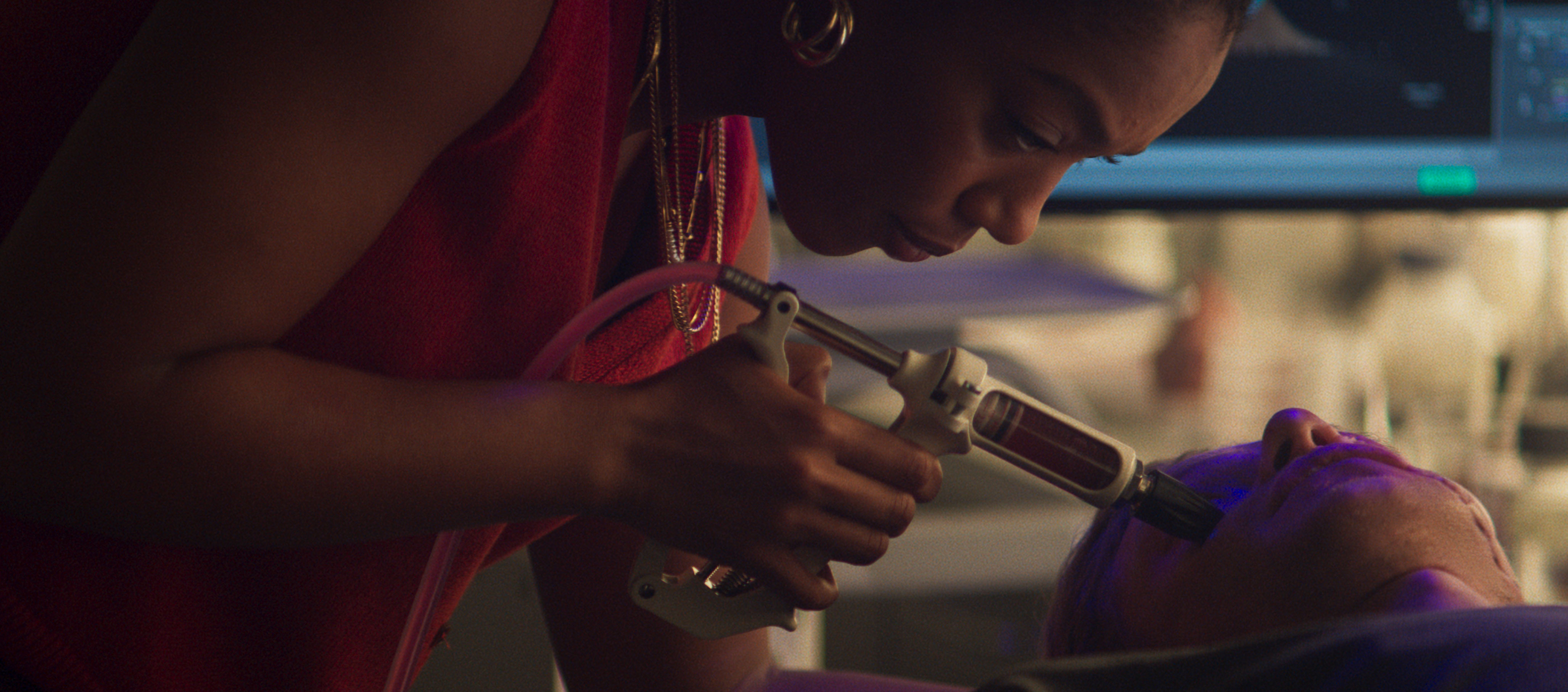
When Watkins gets into the uglier mechanics of Matt’s condition, though, Clayface really starts to get under the skin. There are moments here that had me flinching, squirming and seriously considering whether I needed to keep looking at the screen. The scenes involving flesh sealing over his eyes are especially unpleasant, exploiting a very basic fear with horribly effective results. There’s something far more disturbing about a body quietly closing an opening that should remain open than another oversized creature smashing its way through a city.
The clay transformations are another major attraction, embracing the icky, bizarre possibilities of a human form losing its structural integrity. These passages give the film its most distinctive imagery, making Matt’s abilities feel like an affliction even when they offer him an advantage. More of these sequences would have been welcome. With such a wonderfully revolting premise to explore, Watkins sometimes seems a little too eager to move on just as things are getting properly weird.
Visually, Watkins gives the material an appealing sense of style. The color palette, lighting and use of shadow lend the film a rich atmosphere, with cinematographer Rob Hardy helping turn Matt’s surroundings into an extension of his unravelling state. Orange lighting and neon reflections give Gotham an ominous glow, while an alleyway encounter involving Caitlyn, illuminated by a flashing amusement-park sign bearing a smiling clown, makes particularly effective use of the setting. There’s an expressive quality to the look that suits a story about appearances becoming unreliable. The images have personality, and Watkins understands the value of letting us register a physical change long enough for the discomfort to settle in.
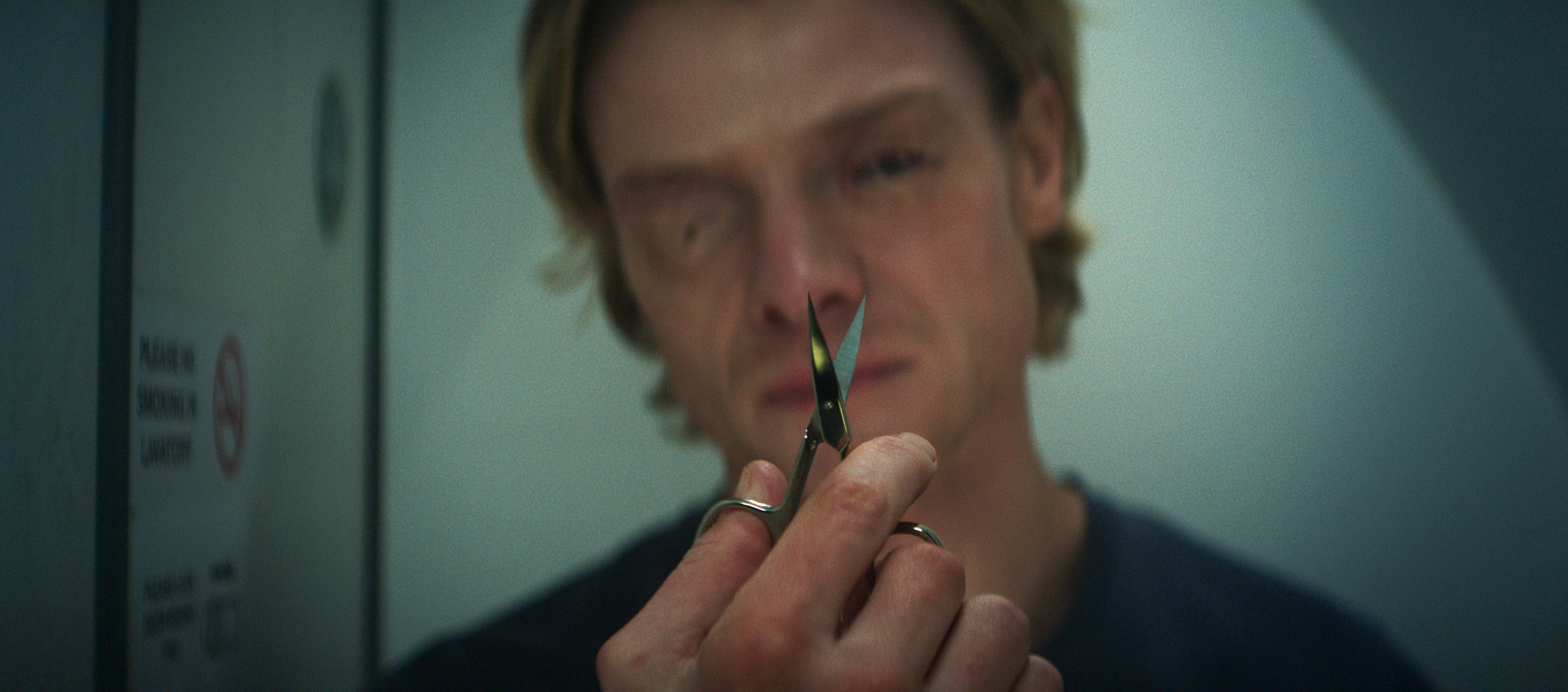
Beneath the surface, there are ideas about vanity, identity and an industry that can build somebody up around their appearance before abandoning them when it changes. Matt’s ability to wear other faces also raises a question the premise is well suited to exploring: how much of yourself can you replace before there’s nobody left? The film doesn’t always dig as deeply into these themes as it could, but they give his descent some weight beyond the immediate business of revenge.
Tom Rhys Harries is excellent in the lead, giving Matt enough vulnerability to make his initial desperation understandable while allowing something increasingly ugly to emerge through it. Crucially, the performance holds our attention as sympathy becomes harder to sustain, capturing both the actor’s wounded vanity and his growing appetite for payback. The supporting cast is good across the board. Naomi Ackie brings conviction to Dr Caitlyn Corr, the scientist whose pioneering procedure offers Matt a chance at recovery, while Max Minghella provides a steady presence as John Borrelli, a Gotham detective romantically involved with her. David Dencik supplies the menace as crime boss Markos Szabo, whose brutality sets Matt’s downfall in motion, and Eddie Marsan makes an impression as his unscrupulous business manager. However elastic the flesh becomes, the performers keep the human stakes in view.
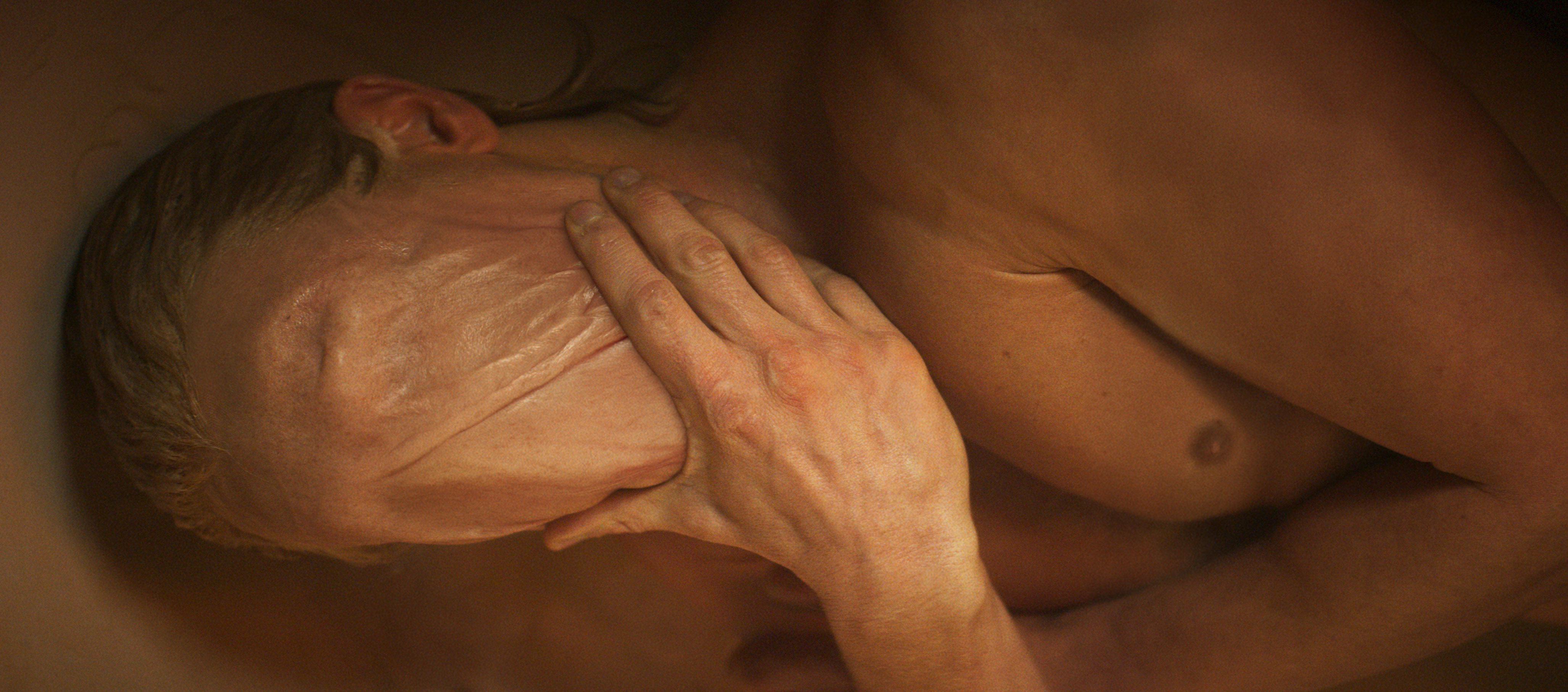
There’s also something refreshing about how comfortably Clayface stands on its own. There’s no Batman cameo or post-credits scene teasing the next instalment, which may disappoint viewers expecting a more explicit connection to the wider DCU. Even the character’s final form departs slightly from his familiar comic-book appearance, favoring a design that suits the movie’s horror sensibilities. Those choices help give the production an identity of its own, allowing Matt’s story to hold center stage without making it feel like another cog in an ever-expanding franchise.
Clayface may not completely reshape the comic-book origin story, and its powers occasionally stretch credibility, but Watkins delivers a macabre, queasy excursion into a corner of the DCU that benefits from getting its hands dirty. Harries’s committed performance, the gruesome imagination on display and a willingness to embrace villainy make this a gamble worth taking. A little more time playing in the muck wouldn’t have hurt, but there’s enough here to get under your skin.
3.5 / 5 – Great
Reviewed by Stu Cachia (S-Littner)
Clayface is distributed by Warner Bros. Australia

