The Sheep Detectives (2026)
A new breed of mystery.
There’s a very specific tone The Sheep Detectives is aiming for — somewhere between cozy countryside whodunit and gently subversive animal fable — but what’s most striking is how often it sits awkwardly between its intended audiences. This is a film that feels too childish in its humor and delivery for adults, yet too conceptually dense and occasionally dark in its ideas for younger viewers. It’s caught between paddocks. And yet, in spite of that tonal tightrope (and a few stumbles along the way), it remains an enjoyable, often charming piece of storytelling.
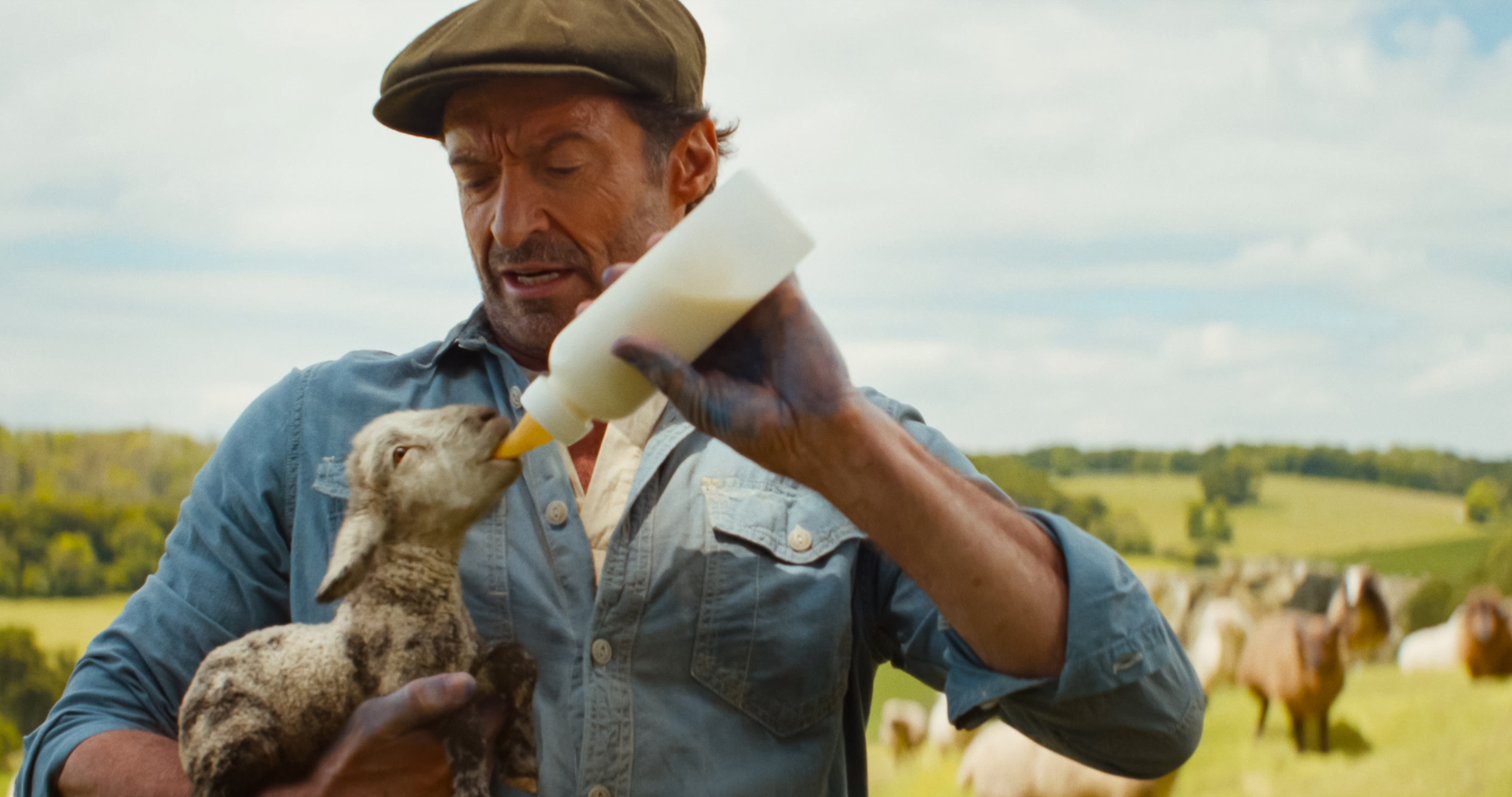
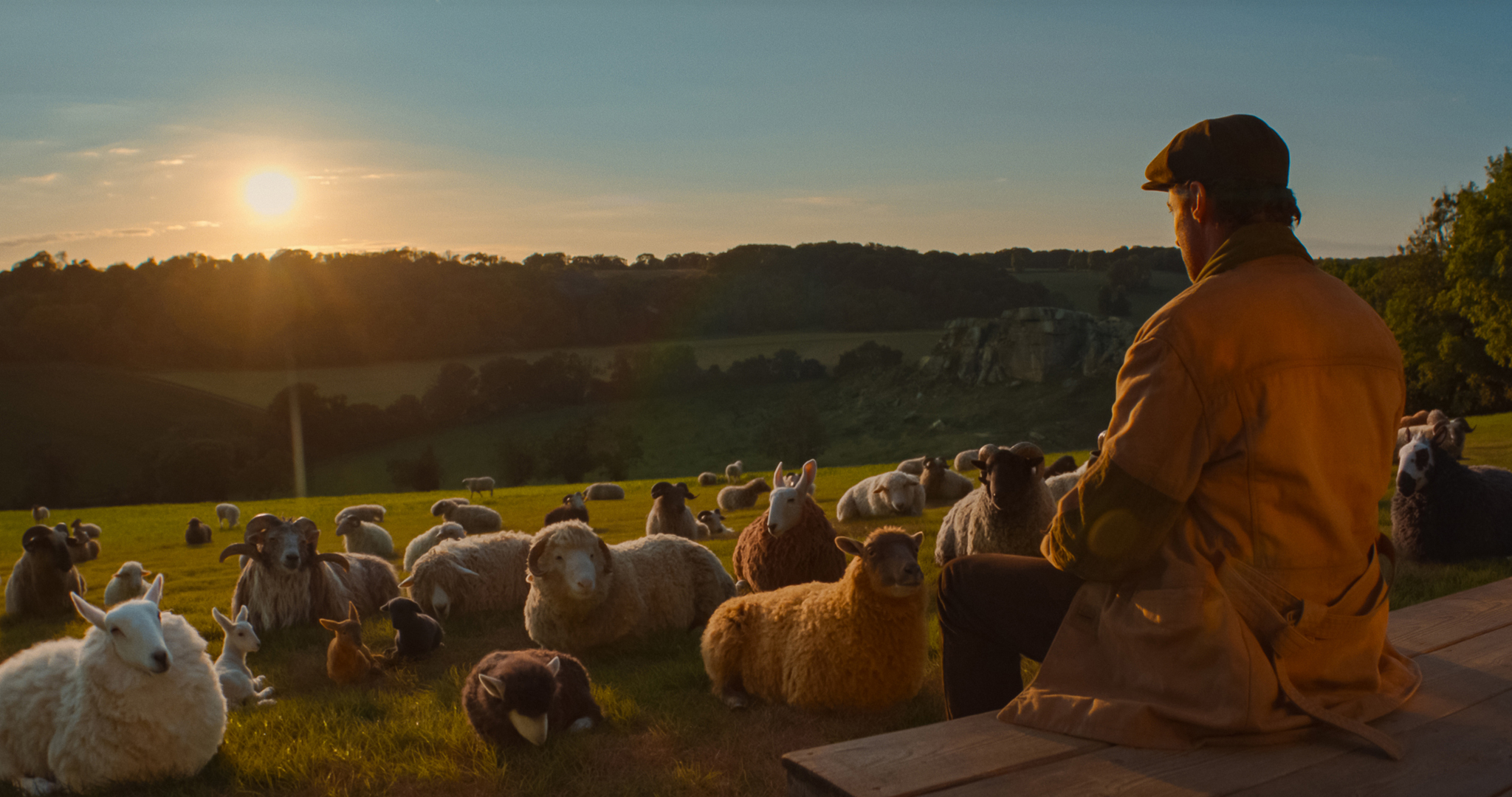
At its core, the film sets up a deceptively simple premise: a shepherd, George Hardy (Hugh Jackman), spends his evenings reading detective novels aloud to his flock, unaware they understand every word. When he is found dead under suspicious circumstances, the sheep — armed with second-hand knowledge of crime-solving — decide to investigate the murder themselves.
It’s a great hook. Instantly accessible, slightly absurd, and loaded with potential. Based on the German novel Three Bags Full by Leonie Swann, screenwriter Craig Mazin understands exactly why the premise works, pulling you in quickly and getting you fully on board. But what the film ultimately does with that setup becomes more complicated than expected — and not always to its benefit.
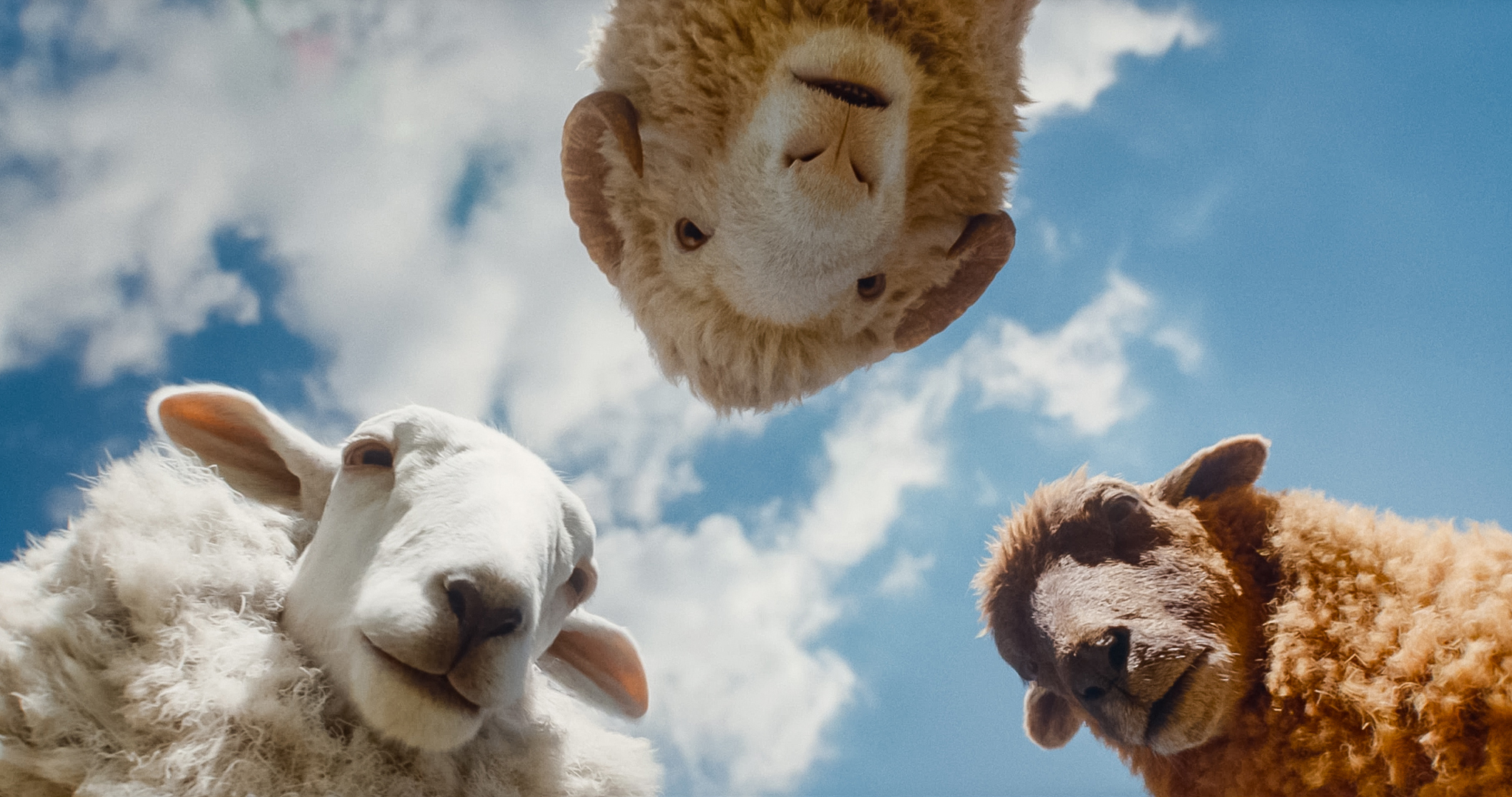
This isn’t a straightforward mystery. The film layers its central investigation with multiple threads — community dynamics, outsider suspicion, buried histories, and a surprisingly weighty emotional throughline tied to loss and change. The sheep aren’t just solving a puzzle; they’re navigating a world that suddenly feels unsafe, unfamiliar, and just a little bit bigger than they realized.
That ambition is admirable. It elevates the material beyond a simple talking-animal gimmick and leans into something closer to a traditional detective narrative — just viewed from a very unusual perspective. The sheep gather clues, interpret human behavior, and attempt to apply the logic they’ve absorbed from George’s readings.
But here’s the issue: it’s a bit too complex for younger audiences.
There are a lot of moving parts. Motivations overlap, suspects blur together, and key revelations depend on connections that aren’t always clearly laid out. As an adult, you can follow it — mostly — but even then, the film doesn’t quite “play fair” with its mystery.
The central case itself is where things come undone slightly. The resolution leans heavily on convenience, introducing or emphasizing elements late in the game that the audience hasn’t had a fair chance to piece together. For a genre built on participation — on the viewer trying to solve the mystery alongside the characters — that’s a misstep. You’re not really solving it; you’re waiting for the film to tell you the answer. It lands, but it doesn’t quite stick the hoof.
Tonally, this is where The Sheep Detectives feels most conflicted — again, caught between paddocks. On one hand, you’ve got broad, accessible humour: wordplay, visual gags, and a steady stream of well-worn woolly one-liners. Some land, some drift off into the long grass, but there’s a consistent push toward lightness that occasionally borders on overgrazing the same comedic field.
On the other hand, the film isn’t afraid to explore darker ideas. The inciting incident is a death that genuinely matters. There’s grief here, confusion, and even a quiet sense of existential unease as the sheep begin to realize their understanding of the world might be incomplete.
That creates an odd viewing experience — too childish for adults, yet a little too deep and mature for kids. And yet, that tension is also part of what makes it interesting. It doesn’t fully commit to either side, but it’s clearly reaching for something more layered than standard family fare — and you can feel that ambition in almost every scene.
What really holds everything together is its cast.
Hugh Jackman doesn’t dominate the screen time (by design), but his presence is essential. He establishes warmth, intelligence, and just enough emotional grounding early on to give the mystery real stakes. The idea that the sheep are effectively trying to honor what he taught them adds weight to everything that follows.
But he’s not alone. The human side of the story is more stacked than you might expect, and it adds texture — even when the film doesn’t always know what to do with it.
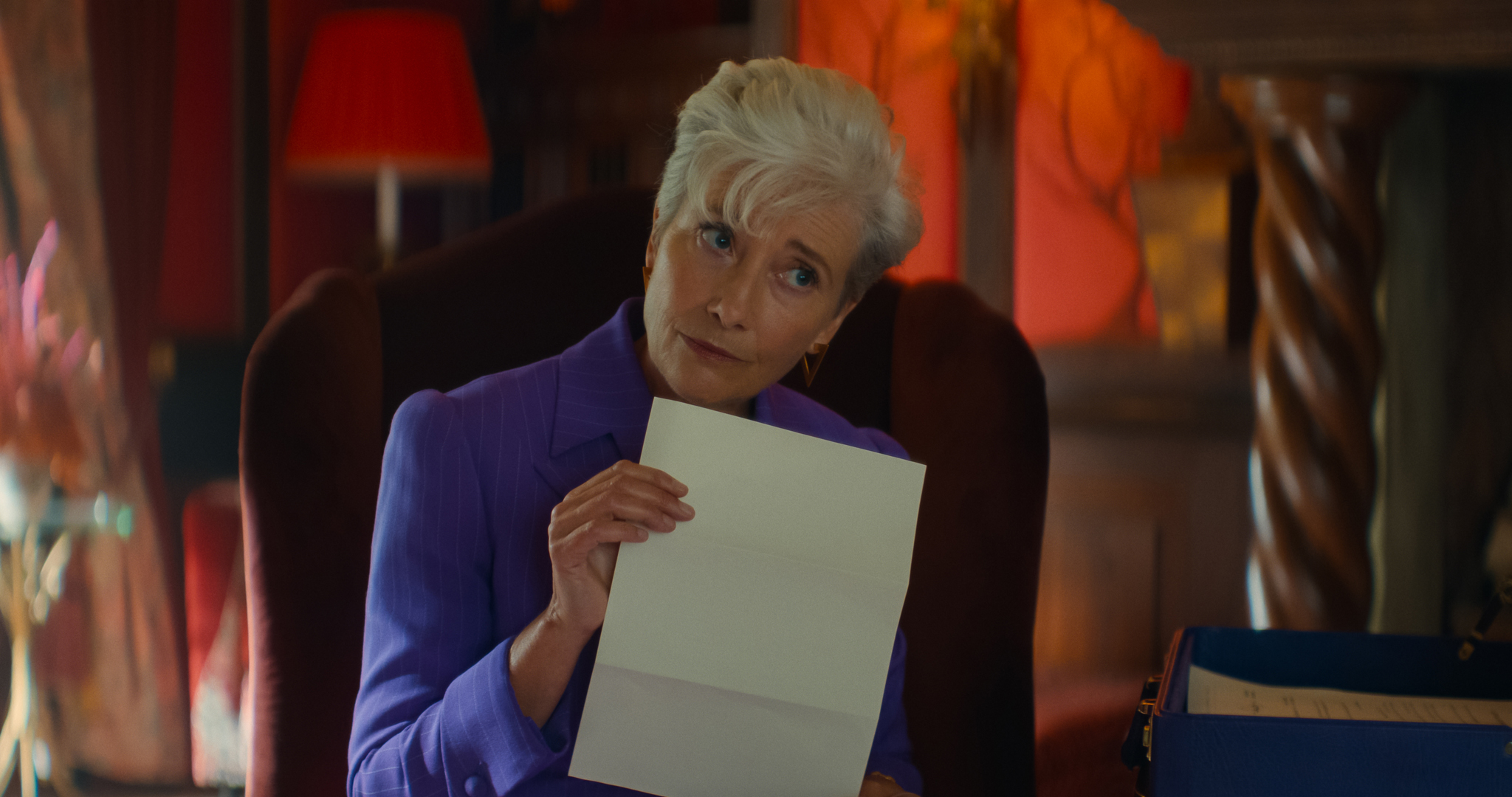
Emma Thompson shows up in a smaller but memorable role as George’s lawyer, bringing a sharp, slightly spiky authority that cuts through the narrative’s softer edges. It’s not a huge part, but she makes it count — there’s a precision to the performance that gives those scenes weight. She shears through her scenes cleanly, leaving a clear impression without ever overstaying her welcome.
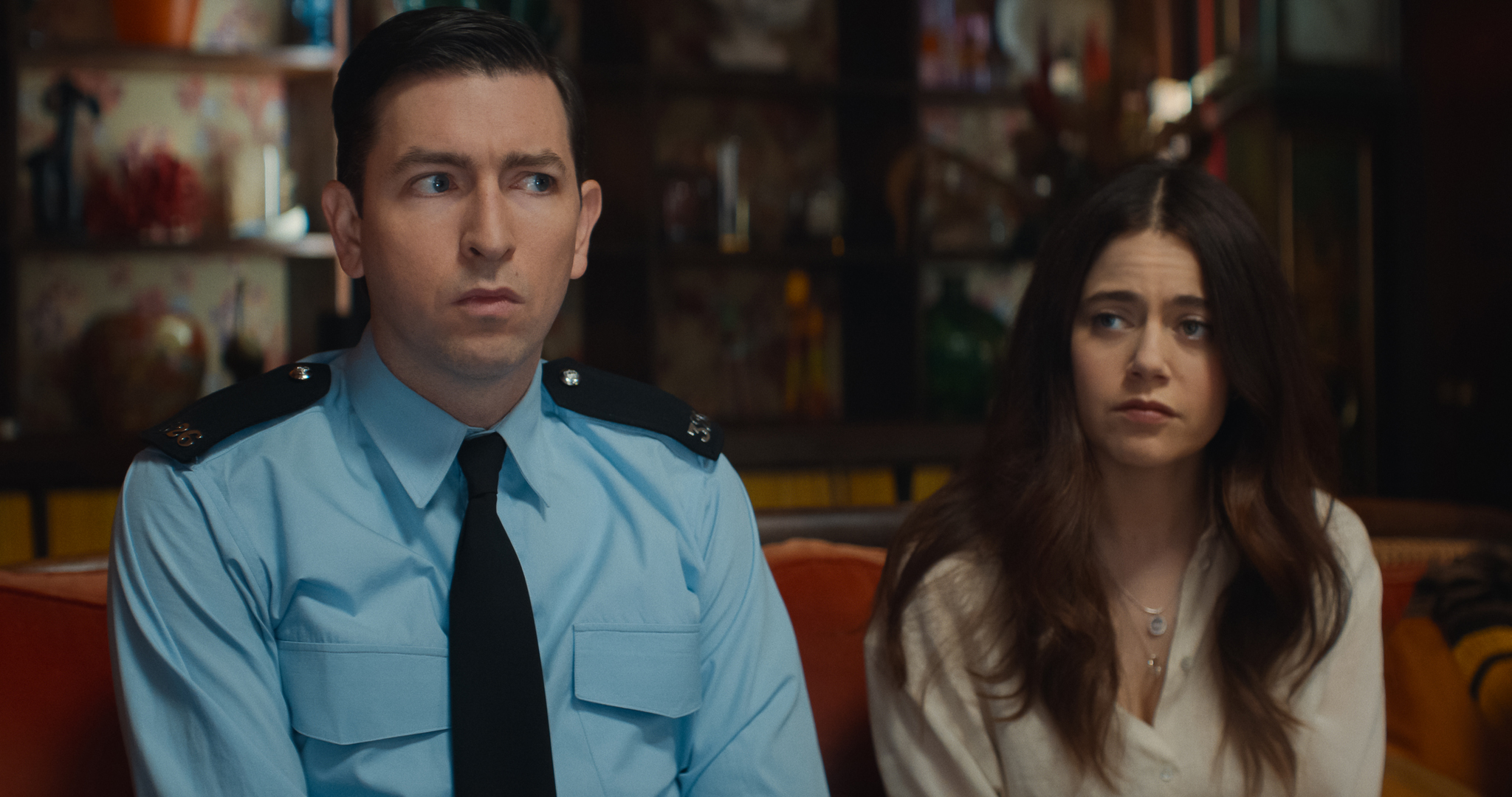
Nicholas Braun leans into the awkwardness of local policeman Officer Tim Derry, playing him with a fumbling uncertainty that fits the film’s offbeat tone, while Nicholas Galitzine brings a more conventional investigative energy as Elliot Matthews, the reporter circling the case. They operate in slightly different registers, but that contrast works more often than it doesn’t.
Molly Gordon brings some needed emotional grounding as George’s daughter, Rebecca, especially in the quieter moments where the film briefly stops chasing clues and actually sits with its loss. Meanwhile, Hong Chau brings a grounded steadiness to the wider community as Beth Pennock, one of the village locals caught in the orbit of the inquiry, while Tosin Cole, playing rival shepherd Caleb Merrow, helps give the human world shape beyond a simple line-up of suspects.
On the vocal side, the bench is deep. Julia Louis-Dreyfus gives the flock a clear centre as Lily, the sheep who naturally emerges as the group’s leader, while Chris O’Dowd’s soulful Mopple and Regina Hall’s sharp-tongued Cloud bring personality and variation across the flock. Patrick Stewart lends Sir Richfield an amusing sense of gravitas, and Bella Ramsey injects some youthful edge into the mix as the endlessly curious Zora.
Then there’s Bryan Cranston as Sebastian, the black Icelandic Leadersheep — and, honestly, the standout of the ensemble — bringing a dry confidence and comic timing that nearly steals the film outright. It’s a performance that could have easily tipped into caricature, but instead becomes one of the film’s sharpest assets. There are laughs, unpredictability, and just enough bite to make every scene he’s in feel alive. He doesn’t just steal scenes — he butts in and owns them.
The voice cast does a lot of the heavy lifting, and it shows. There’s a real sense of commitment here — not just in the line delivery, but in the way each member of the flock is given a distinct personality. You never lose track of who’s who, which is no small feat in a production like this. Across the board, both the vocal performances and live-action work feel aligned. Everyone understands the tone the film is aiming for — even if the script itself doesn’t always strike that balance.
Visually, the movie gets a lot right. Director Kyle Balda, whose background includes animation and visual effects work, brings a strong sense of texture, movement, and visual clarity to the world. The CGI sheep are a real success: expressive, full of personality, and crucially, they avoid that overly polished, hyper-real look that can leave animated characters feeling a bit… shorn of life. There’s texture here — emotion reads clearly in their faces and movements, and each character feels distinct without becoming exaggerated.
Importantly, the visual approach sidesteps that “photoreal but lifeless” trap. These sheep feel present. Stylized just enough to engage, but grounded enough to believe. The environments support that nicely. The rural setting feels lived-in, with a strong sense of space and atmosphere, particularly as the story expands beyond the immediate farm.
Where the film truly finds its footing, though, is in the subplot surrounding the “winter sheep.”
Without over-explaining it, this thread introduces a more somber, reflective dimension — touching on isolation, survival, and the way communities deal with what they don’t fully understand. It’s here that the film feels most confident, most focused, and most emotionally resonant. The comedy is dialed back just enough to let the ideas breathe, and the storytelling becomes clearer and more purposeful.
It’s the highlight of the film.
If anything, it shows what The Sheep Detectives might have been had it trusted this quieter, more grounded approach from the start.
That said, the film keeps wandering back to its safer comedic pasture — and that’s where it slightly loses its footing. The reliance on familiar, groan-worthy paddock puns and easy gag setups starts to feel a little over-herded. A few land cleanly, but others feel like they’ve been rounded up from a much broader, much sillier picture.
And that really sums it up.
The Sheep Detectives is a film that doesn’t quite settle into a single identity. It’s ambitious, occasionally shaggy, tonally uneven — but also engaging, well-performed, and visually strong. Not perfect, not always balanced — but there’s enough here to keep you invested, and enough ambition to make it memorable.
It may not completely solve its own mystery in a satisfying way, but the journey getting there is still worth taking — even if it occasionally strays off the fence line.
3.5 / 5 – Great
Reviewed by Stu Cachia (S-Littner)
The Sheep Detectives is distributed by Sony Pictures Australia

