Crime 101 (2026)
Always have an exit.
Set against the glare and gridlock of Los Angeles and the relentless pull of the 101 freeway, Crime 101 follows Mike Davis (Chris Hemsworth), an elusive, precision-obsessed jewel thief who treats crime less like chaos and more like choreography. His robberies aren’t smash-and-grab — they’re curated. Clean. Clinical. Almost polite. But when Mike lines up the score that could finally buy his freedom, the rules he’s lived by begin to bend. Enter Sharon Coombs (Halle Berry), a disillusioned insurance broker at a crossroads, and Detective Lou Lubesnick (Mark Ruffalo), a weary but relentless cop convinced he’s finally cracked the pattern.
What unfolds is less a simple chase than a strategic standoff — three sharp minds circling the same pressure point, each convinced they’re the smartest person in the room. Alliances blur, motives shift, and in true neo-noir fashion, everyone stands to lose more than just the money.
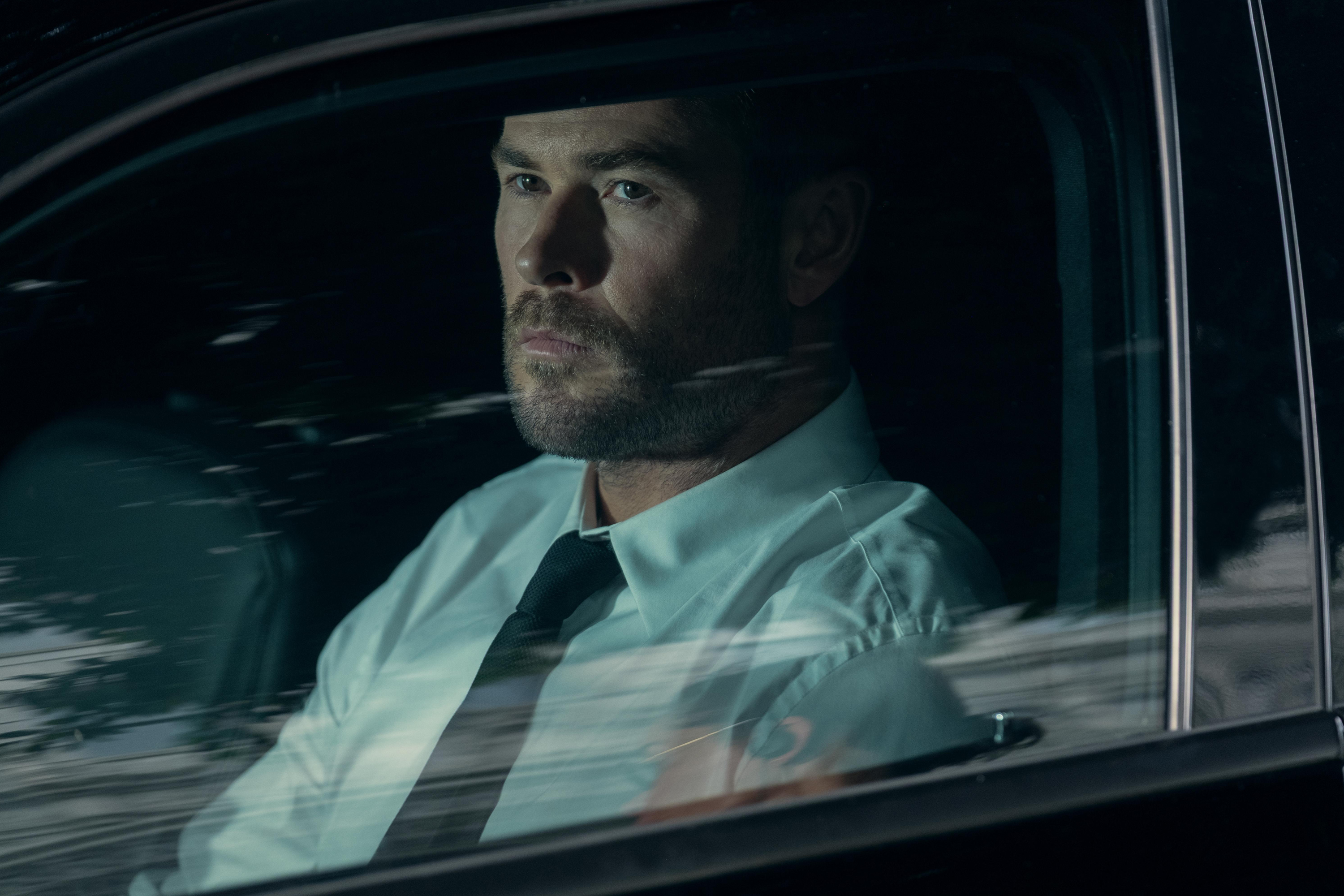
Visually, Crime 101 is a sleek, nocturnal letter to classic heist cinema, and it wears that badge well. Director Bart Layton’s eye for shadow and sheen turns Los Angeles into more than a backdrop — it’s a character in its own right. Gleaming freeways at night, sun-bleached boulevards by day, and a palette that feels like a noir-tinted postcard from the genre’s glory days give the film undeniable style. The cinematography by Erik Wilson leans into an almost digital chill, echoing Michael Mann’s icy precision without fully matching its gravity.
But here’s the rub: Crime 101 wears its influences a little too visibly, occasionally admiring its own sleekness. The screenplay, also by Layton, leans into controlled brooding and lingering style, at times prioritizing mood and precision over raw vulnerability. It’s never dull, but it often feels like it’s circling greatness — visually assured, emotionally just out of reach, more sheen than gut-punch.
While the film’s pacing rarely drags, it often feels like it’s adding style points where character depth should be. The core story — Mike’s final job, Sharon helping from the inside, Lou on the brink of a breakthrough — is solid, but the connective tissue sometimes stretches too thin. Subplots explore themes of systemic friction, corrosive ambition and feminine professional frustration, but they rarely dig as deep as they promise, leaving Crime 101 a high-gloss thriller that circles something more meaningful without fully committing.

Still, at nearly two and a half hours, the film mostly justifies its runtime with a narrative that keeps twists coming and stakes simmering. It’s rarely clear who’s outsmarting whom until the final card is played — a credit to Layton’s structure and the cast’s ensemble work.
Most people know Chris Hemsworth as an unstoppable physical force (see: Thor), but here he flexes a softer muscle — the quiet cracks beneath the precision. His Mike isn’t a mythic hero swinging thunder; he’s a man navigating a moral grey zone, where choices aren’t clear and consequences carry weight. In those still, unguarded moments — when he almost lets someone close, when he questions whether one last job is worth the price — Hemsworth brings a thoughtful vulnerability that elevates scenes that might otherwise play as pure style.
The romantic thread with Monica Barbaro’s Maya — while occasionally underdeveloped — adds texture. It’s not a full-on love story that steals the film, but it’s the emotional pulse that stops the narrative from drifting into pure procedural. In those softer pauses, you feel Mike’s loneliness as keenly as his ambition.
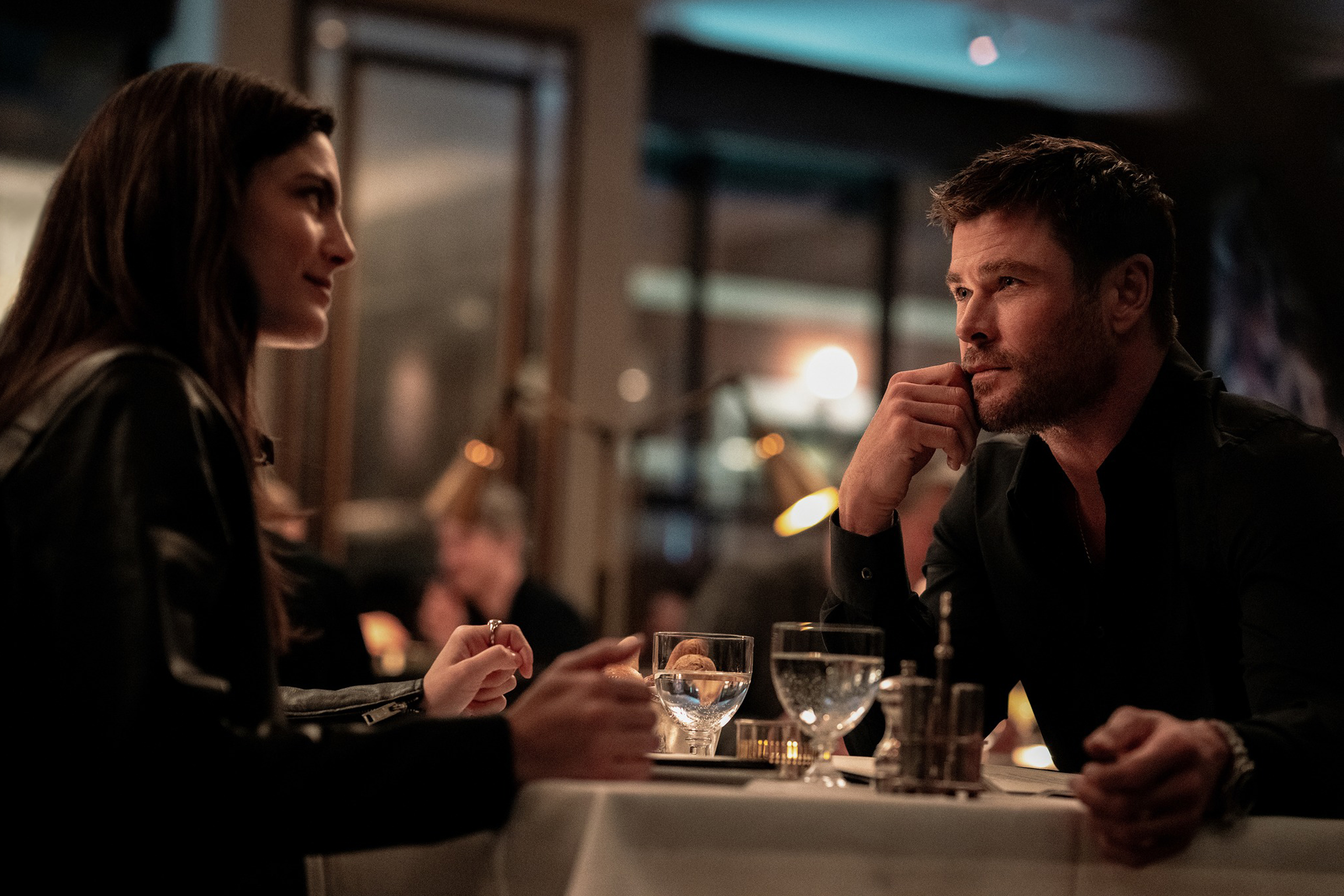
If Hemsworth carries the bruised charm, Halle Berry brings the fire. Midway through Crime 101, Sharon presents an airtight analysis in a glass-walled boardroom — only to be politely dismissed by men more concerned with optics than truth. Berry doesn’t explode. She recalibrates. A pause. A tightened jaw. A cooler tone. In seconds, you see her faith in the system evaporate. It’s subtle, restrained and quietly devastating — the kind of lived-in performance that anchors the film’s emotional credibility.
And then there’s Mark Ruffalo — effortlessly terrific as Lou Lubesnick, the detective who might be just as worn down by the system he serves as the thief he pursues. Ruffalo’s strength is in his rumpled, humanised cop: he’s smart, he’s weary, and he’s heartbreakingly tenacious in a city that chews up persistence and spits out cynicism. His scenes feel lived in, and what could have been rote procedural moments become unexpectedly textured thanks to his grounded performance.
The supporting cast — including Barry Keoghan as a volatile wildcard and Nick Nolte in a grizzled mentor role — provide texture, even if they aren’t all fully realised. Some side threads feel like detours more than organic expansions, but they rarely derail the central thrust.

Behind the scenes, Crime 101 boasts serious pedigree. Adapted from Don Winslow’s razor-sharp novella of the same name, the production blends classic heist DNA with contemporary restraint, even if it occasionally sands its own rough edges a little too smooth. The film embraces its roots while reaching for something more introspective than a standard popcorn chase. From the buzzing score to the crisp editing and tactile sound design, it exudes a calculated cool — polished, deliberate, and unmistakably confident — often feeling more grown-up than flash-in-the-pan action fare.
Here’s where the score lands: Crime 101 is a handsome, intelligent heist thriller that thrives on mood, control, and three committed lead performances. It doesn’t quite transcend its influences, but it earns its runtime with craft and character. Not a genre reinvention — but a confident, adult thriller that respects its audience and rewards attention. Polished, restrained, and just sharp enough to cut.
3.5 / 5 – Great
Reviewed by Stu Cachia (S-Littner)
Crime 101 is distributed by Sony Pictures Australia
 Mr. Movie's Film Blog